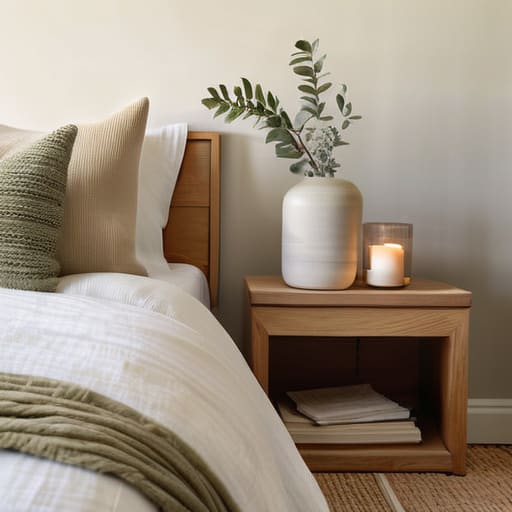
I used to think that creating a calm bedroom meant dropping two months’ salary on a designer linen set and a $900 salt lamp that does absolutely nothing but gather dust. I fell for the “aesthetic” trap, thinking that if my room looked like a sterile, beige showroom on Pinterest, I’d finally stop tossing and turning at 3:00 AM. But let me tell you: a perfectly curated, expensive room is useless if it feels soulless and doesn’t actually help your brain shut off.
I’m not here to sell you a lifestyle makeover or a list of overpriced gadgets you don’t need. Instead, I’m going to share the practical, slightly messy, and highly effective ways I actually reclaimed my sleep. We are going to focus on the real-world shifts—from lighting hacks to sensory boundaries—that make creating a calm bedroom a functional reality rather than a social media fantasy. This is about building a genuine sanctuary that works for your nervous system, not just your Instagram feed.
Table of Contents
Mastering Soothing Bedroom Color Palettes
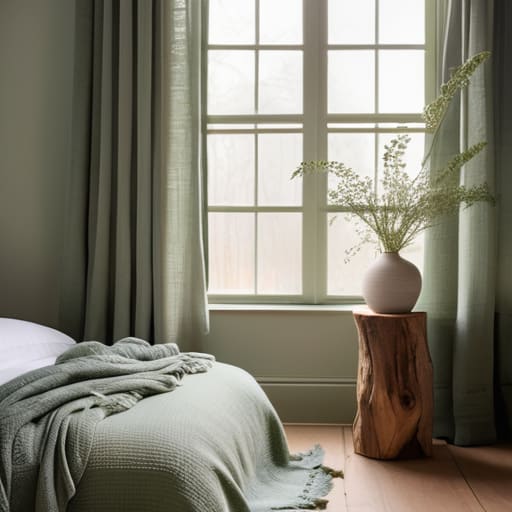
Colors aren’t just aesthetic choices; they are psychological triggers that tell your brain whether it’s time to grind or time to rest. If your walls are a high-energy crimson or a jarring neon, you’re essentially fighting an uphill battle against your own biology. To truly master soothing bedroom color palettes, lean into the quiet power of desaturated tones. Think sage greens, dusty blues, or even a warm, muted terracotta. These hues act as a visual sedative, helping with reducing bedroom sensory input so your mind doesn’t feel overstimulated the moment you walk through the door.
Beyond just the visual stuff, it’s worth looking into how your lighting affects your circadian rhythm, because even the most beautiful room won’t help you rest if the glare is too harsh. I’ve found that layering your light—using dimmable lamps instead of that aggressive overhead fixture—makes a massive difference in how quickly your brain actually winds down. If you’re feeling a bit stuck on how to balance different textures and lighting layers, I highly recommend checking out the guides over at blogslabs; they have some brilliant design insights that can help you bridge the gap between a room that looks good and one that actually feels restorative.
When you’re picking your shades, remember that less is almost always more. This is where minimalist bedroom design tips become your best friend: avoid clashing patterns or high-contrast color blocking that creates visual “noise.” Instead, aim for a monochromatic or analogous scheme where colors flow into one another seamlessly. By keeping the palette tight and intentional, you create a cohesive environment that feels grounded. When the colors are dialed back, your brain can finally stop processing visual chaos and start focusing on what actually matters—drifting into a deep, uninterrupted sleep.
Minimalist Bedroom Design Tips for Peace
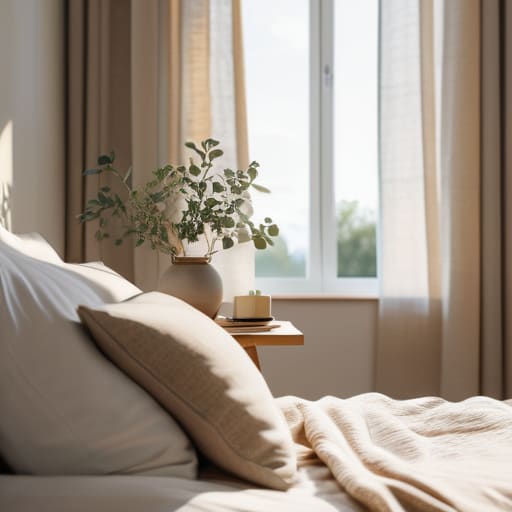
The biggest mistake most of us make is thinking a bedroom needs to be a storage unit for everything we own. If your nightstand is buried under half-read books, charging cables, and old receipts, your brain isn’t going to shut off the moment your head hits the pillow. Applying minimalist bedroom design tips isn’t about living in a cold, empty white box; it’s about intentionality. It’s about clearing the visual noise so your eyes have nowhere to rest except on things that actually bring you peace.
Start by auditing your surfaces. If an object doesn’t serve a functional purpose or spark genuine joy, move it to another room. This process of reducing bedroom sensory input is a game-changer for anyone struggling with racing thoughts at night. When you strip away the clutter, you stop treating your sleeping space like a catch-all junk drawer and start treating it like the sanctuary it’s meant to be. Less stuff equals less to process, which leads to much deeper rest.
Small Tweaks for a Massive Shift in Vibe
- Curate your lighting to avoid that harsh, overhead glare; swap the “big light” for warm lamps or dimmers that actually let your brain wind down.
- Treat your bed like a high-end hotel by investing in quality linens that feel good against your skin, because texture matters more than you think.
- Audit your nightstand to ensure it’s a clutter-free zone, keeping only the essentials like a book or water so your mind doesn’t race the moment you lie down.
- Bring a little bit of the outside in with low-maintenance greenery, which adds life to the room without making it feel chaotic.
- Master the art of scent by using subtle essential oils or a light candle to signal to your nervous system that the workday is officially over.
The Quick Checklist for a Restful Space
Stop overcomplicating the decor; focus on soft, muted tones and clearing out the visual noise to let your brain actually decompress.
Prioritize tactile comfort by layering textures like linen or wool, which makes the room feel like a retreat rather than just a place to crash.
Treat your bedroom as a sacred, tech-free zone to ensure your environment supports sleep instead of fighting against it.
## The Soul of the Space
“Your bedroom shouldn’t just be a place where you happen to sleep; it should be the one room in the house that feels like a deep, collective exhale the moment you close the door.”
Writer
Bringing the Calm Home
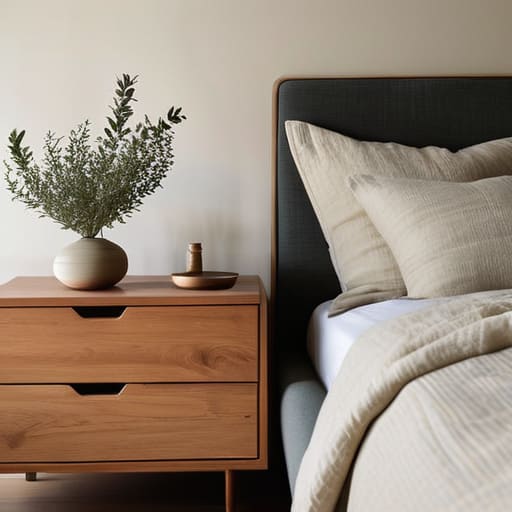
At the end of the day, transforming your bedroom isn’t about following a strict set of interior design rules or buying every expensive gadget on the market. It’s about the intentional fusion of soothing color palettes and a minimalist approach that clears both your physical space and your mental clutter. By prioritizing soft tones and stripping away the unnecessary distractions, you aren’t just decorating a room; you are building a functional tool for recovery. Remember that every small change—from the way the light hits your walls to the lack of chaos on your nightstand—works together to create a cohesive sanctuary designed specifically for your rest.
Ultimately, your bedroom should be the one place in a loud, frantic world where the noise finally stops. Don’t feel pressured to overhaul everything overnight; instead, treat this process as a slow, gentle evolution of your personal space. As you curate your environment to better reflect the peace you seek, you’ll find that sleep becomes less of a struggle and more of a natural transition. You deserve a space that breathes with you, allowing you to close your eyes and truly, deeply disconnect from the chaos of the day.
Frequently Asked Questions
How do I make my bedroom feel cozy without adding more clutter?
It’s all about texture, not stuff. Think of it as layering sensations rather than objects. Swap that thin cotton sheet for a heavy linen duvet, or toss a chunky knit throw over the foot of the bed. Even changing your lightbulbs to a warmer, amber glow makes a massive difference. When you focus on how things feel against your skin or how the light hits the walls, you create warmth without adding a single piece of clutter.
What kind of lighting actually helps me wind down at night?
Ditch the overhead lights the second the sun goes down. Harsh, bright ceiling fixtures are total sleep killers—they trick your brain into thinking it’s still midday. Instead, layer in some warmth. Think dimmable bedside lamps, salt lamps, or even a few well-placed candles. You want soft, amber tones that mimic a sunset. It’s all about creating that low-level glow that signals to your nervous system: Hey, it’s time to actually relax.
Can I still have a calm space if my bedroom is naturally small or messy?
Absolutely. A small or messy room doesn’t disqualify you from having a sanctuary; it just means you have to be more intentional. If space is tight, stop trying to fight the square footage and start focusing on vertical storage and lighting to create depth. As for the mess? You don’t need a total overhaul. Just clear your immediate visual field—the nightstand and the pillow area—to give your brain a tiny, much-needed island of calm.

