Blog

  • Using Audiobooks to Wind Down

    Using Audiobooks to Wind Down

    I used to feel this weird, nagging guilt every time I sat down with a physical book, like I was somehow “cheating” at being a real reader. There’s this elitist idea floating around that if you aren’t squinting at ink on a page, you aren’t actually engaging with the story. But honestly? That mindset was just a barrier keeping me from the stories I loved. Once I embraced listening to audiobooks while I was stuck in soul-crushing traffic or scrubbing the kitchen floor, everything changed. It wasn’t “cheating”—it was finally making literature fit into my actual, messy life instead of trying to force my life to revolve around a bookshelf.

    Look, I’m not here to give you a lecture on the “cognitive benefits” or sell you some expensive, high-tech setup you don’t need. I’ve spent years navigating everything from mediocre narrators to the absolute best performances out there, and I’ve learned what actually works. In this post, I’m going to share the straight-up truth about how to make this habit stick, how to pick winners, and how to stop feeling guilty about it. No fluff, no hype—just the real way to actually enjoy your stories.

    Table of Contents

    A Deep Digital Storytelling Experience

    A Deep Digital Storytelling Experience.

    There’s a specific kind of magic that happens when a professional voice actor breathes life into a script. It’s not just someone reading words off a page; it’s a full-scale digital storytelling experience that hits differently than a silent page. I’ve found that a talented actor can completely shift the mood of a thriller or make a memoir feel like a late-night chat with a close friend. The narrator performance impact is massive—it’s the difference between feeling like you’re studying a text and feeling like you’re being swept away by a cinematic production.

    When the pacing is right and the character voices are distinct, it actually helps me stay locked into the plot. Instead of my mind wandering during a long commute, I find myself improving focus through narration because the auditory cues keep my brain tethered to the rhythm of the story. It’s a sensory immersion that you just don’t get when you’re squinting at small print under a dim reading light. For me, it’s less about passive consumption and more about being part of the performance.

    Mastering Auditory Learning Techniques

    Mastering Auditory Learning Techniques through visualization.

    If you treat an audiobook like background noise, you’re missing out on the best part. To really get something out of a session, you have to treat it as an active practice rather than just something to have on while you fold laundry. One of my favorite auditory learning techniques is the “visual layering” method. While the narrator is speaking, I try to build a mental movie in my head, focusing on the textures, lighting, and even the specific tone of a character’s voice. It sounds intense, but it’s the only way to stop my mind from wandering toward my grocery list.

    I’ve also found that the narrator performance impact can make or break your ability to stay engaged. If a voice is too monotone, your brain will naturally tune out. To combat this, I like to adjust the playback speed. Sometimes, bumping it up to 1.2x actually helps with improving focus through narration because it forces my brain to keep pace with the storyteller, leaving zero room for distractions to creep in.

    How to Actually Get Something Out of Your Listening Sessions

    • Don’t be afraid to play it back. If your mind wanders to what you’re having for dinner, just hit that rewind button; there’s no shame in re-listening to a paragraph you totally missed.
    • Speed it up (or slow it down). Most people find that 1.2x or 1.5x speed is the sweet spot for keeping their brain engaged without feeling like they’re in a race.
    • Match the vibe to your activity. Don’t try to tackle a dense, heavy history book while you’re driving through heavy traffic—save the thrillers for your mindless chores instead.
    • Keep a “brain dump” notepad handy. If a specific idea hits you hard while you’re walking or driving, jot down a quick keyword so you can look it up later before the thought evaporates.
    • Use headphones to create a bubble. If you’re in a noisy environment, a good pair of noise-canceling headphones is the difference between being immersed in a story and just hearing background noise.

    The Bottom Line: Making Audiobooks Work for You

    Stop treating audiobooks like a replacement for reading and start seeing them as a way to reclaim your “lost” time—whether that’s during a mindless commute or while scrubbing the kitchen.

    Don’t just let the words wash over you; treat it like a conversation by adjusting the playback speed or pausing to digest a heavy thought so the story actually sticks.

    Use the medium to your advantage by matching the genre to your energy level, saving the intense thrillers for when you can actually focus and the lighter memoirs for when you’re just zoning out.

    ## The Magic of the Spoken Word

    “There’s something almost primal about a well-told story; it’s not just about absorbing information, it’s about letting a voice guide you through a world while your hands are busy doing something else entirely.”

    Writer

    The Final Chapter

    Finding hidden gems in The Final Chapter.

    If you’re starting to feel a bit overwhelmed by the sheer number of platforms out there, I’ve found that keeping things simple is the real secret to staying consistent. I usually head over to techsly when I need to cut through the noise and find something that actually works for my routine without a massive learning curve. It’s honestly been a lifesaver for finding those hidden gems that don’t just sit in my queue gathering digital dust.

    At the end of the day, switching to audiobooks isn’t about finding a shortcut or being “lazy” with your reading list. It’s about reclaiming your time and transforming those dead pockets of the day—the commute, the dishes, the mindless gym sessions—into something deeply enriching. We’ve looked at how much more immersive the storytelling can feel when a talented narrator breathes life into the prose, and how leaning into auditory learning can actually sharpen your focus. It’s a complete shift in how you consume information, moving away from the static page and into a dynamic, living experience that fits right into the chaos of modern life.

    So, my challenge to you is simple: don’t let another hour of mindless scrolling pass you by. Instead, pick up that book you’ve been meaning to start, hit play, and let the words wash over you. You might find that you aren’t just “consuming content” anymore; you’re actually living through the stories in a way you never thought possible. Whether you’re walking through a park or stuck in traffic, there is a whole world waiting to be heard. Go ahead, press play, and start listening.

    Frequently Asked Questions

    How do I actually remember what I heard once the book is finished?

    The biggest mistake I made was just letting the words wash over me like background noise. To actually make it stick, I started treating my listens like a conversation. When a point hits home, I’ll pause and mutter, “Wait, that’s actually wild,” or jot down a quick note on my phone. If you don’t mentally engage or challenge the narrator, you’re just listening to a very expensive podcast. You have to fight to stay present.

    Are there any specific apps that are actually worth the subscription cost?

    Honestly, don’t just subscribe to everything blindly. If you’re a heavy hitter, Audible is still the king for sheer variety, even if that monthly fee stings. But if you want to save some cash, Libby is a total lifesaver—it’s free through your local library, which feels like a cheat code. For niche stuff or shorter bites, I’ve also found Scribd (now Everand) surprisingly worth it if you want a mix of books and magazines.

    Can I really retain complex information if I'm listening while doing something else?

    Look, I get the skepticism. It feels like you’re just letting the words wash over you like background noise. But here’s the truth: you can, provided you aren’t doing “heavy lifting” tasks. If you’re folding laundry or driving, your brain has plenty of bandwidth to actually process the concepts. The trick is matching the task’s cognitive load to the book’s complexity. Don’t try to tackle quantum physics while writing a work report.

  • The Importance of No Screen Time Before Bed

    The Importance of No Screen Time Before Bed

    I remember sitting on my living room floor last Tuesday, surrounded by a mountain of plastic toys that no one was playing with, while my daughter sat three feet away, completely lost in the hypnotic, blue-light trance of her tablet. It hit me like a physical weight: we weren’t just losing our attention spans; we were losing the actual connection that makes being a parent worth it. The obsession with achieving a perfect, zero-tech lifestyle often feels like another impossible standard being shoved down our throats, but the truth is, the goal isn’t some utopian dream of no screen time—it’s about reclaiming our sanity from the digital noise.

    I’m not here to lecture you from a pedestal or sell you some expensive, artisanal wooden toy subscription. Instead, I’m going to give you the raw, unfiltered truth about what happens when you actually start pulling back. We’re going to skip the clinical jargon and dive straight into real-world strategies that work when you’re tired, stressed, and just want five minutes of peace. This is about practical, lived experience and finding that sweet spot where technology serves us, rather than the other way around.

    Table of Contents

    Unplugging for Mental Wellness and Deep Clarity

    Unplugging for Mental Wellness and Deep Clarity

    Ever notice how your brain feels like it has fifty tabs open at once? That’s the constant, low-grade hum of digital noise. When we’re perpetually tethered to our devices, we’re essentially living in a state of fragmented attention. The impact of technology on focus is real; we’ve trained our brains to crave the next notification rather than the depth of a single thought. By stepping back, you aren’t just “taking a break”—you’re actually giving your prefrontal cortex a chance to breathe and reset.

    This isn’t just about mental clutter, though; it’s about the physical rhythm of your body. We often ignore how the blue light effects on circadian rhythm keep us wired long after we should be winding down. Instead of scrolling through a stressful newsfeed, try swapping the phone for some screen free bedtime activities, like reading a physical book or journaling. It’s about reclaiming that quiet space between being “on” and being asleep, allowing your mind to actually settle into a state of genuine, restorative calm.

    Dopamine Detox Benefits for a Rewired Brain

    Dopamine Detox Benefits for a Rewired Brain

    We’ve essentially trained our brains to crave that next hit of novelty. Every scroll, every notification, and every infinite feed is a tiny spike of dopamine designed to keep us hooked. The problem? When your brain is constantly being overstimulated, your baseline for “normal” gets pushed way too high. This is where the real magic of a dopamine detox comes in. By intentionally stepping away from the constant stream of digital noise, you aren’t just taking a break; you’re actually resetting your reward system. You start to find pleasure in the quiet, slower moments again—things like reading a physical book or actually tasting your coffee—instead of needing a high-speed stimulus just to feel alive.

    If you’re feeling completely overwhelmed by the sheer volume of apps and notifications pulling at your attention, you don’t have to figure it all out through trial and error. I’ve found that leaning on tools like techpp can make a massive difference when you’re trying to reclaim your focus. It’s one of those small, practical shifts that helps turn the tide from digital chaos back to intentional living without the constant mental friction.

    Beyond the mental shift, there is a massive physiological component to consider. The constant, rapid-fire nature of digital consumption has a profound impact of technology on focus, making it nearly impossible to engage in deep, meaningful work. We become masters of the “micro-task” but lose the ability to sit with a single thought for more than thirty seconds. When you reclaim your attention, you aren’t just being more productive; you’re reclaiming your cognitive sovereignty.

    Small Wins: How to Actually Make the Unplugging Stick

    • Declare your bedroom a “no-phone zone.” Buy a cheap, old-school alarm clock so your phone isn’t the first thing you touch when you wake up and the last thing you see before you drift off.
    • Build a “boredom toolkit.” When that itch to scroll hits, have something physical ready—a book, a sketchbook, or even a deck of cards—to bridge the gap between digital stimulation and real life.
    • Set hard boundaries with your notifications. If it’s not a human being trying to reach you urgently, it doesn’t need to buzz in your pocket. Turn off those non-essential pings and reclaim your focus.
    • Use the “out of sight, out of mind” rule. When you’re sitting down for a meal or hanging with friends, put your phone in another room or at least face down in a bag. If you can’t see the glow, you won’t crave the scroll.
    • Start with micro-breaks instead of a total blackout. Don’t try to go a whole weekend without tech right away; just try thirty minutes of uninterrupted presence during your morning coffee. Build the muscle slowly.

    The Bottom Line: Making the Shift

    It isn’t about living like a hermit; it’s about reclaiming your attention so you’re actually present for the moments that matter.

    Expect a bit of a “withdrawal” period when you first unplug, but stick with it—your brain needs that reset to find its natural rhythm again.

    Start small by setting non-negotiable tech-free zones, like the dinner table or the first thirty minutes of your morning, to build lasting habits.

    The Cost of Constant Connection

    “We’ve traded the richness of a single, focused moment for a thousand flickering distractions, forgetting that life actually happens in the spaces between the pings.”

    Writer

    The Path Forward

    Finding The Path Forward through digital mindfulness.

    At the end of the day, reclaiming your life from the digital void isn’t about becoming a hermit or throwing your smartphone into a lake. It’s about recognizing that the constant flicker of notifications and the endless scroll are essentially stealing your presence from the people and things that actually matter. We’ve looked at how stepping back can clear the mental fog, reset your brain’s dopamine baseline, and finally give you the headspace to breathe again. It’s a shift from being a passive consumer of pixels to becoming an active participant in your own existence.

    So, don’t feel like you have to go cold turkey overnight. Start small—maybe it’s an hour before bed or a phone-free Sunday morning. Notice how the world feels when you aren’t viewing it through a glass lens. You might find that the silence isn’t actually empty; it’s full of opportunities you’ve been too distracted to see. The goal isn’t perfection, it’s intentionality. Put the device down, look up, and start living the life that’s happening right in front of you.

    Frequently Asked Questions

    How do I actually manage my work responsibilities if I'm trying to avoid screens all day?

    The “all-day” thing is a myth—you can’t exactly ditch the laptop if you’ve got a job to do. The real trick is aggressive batching. Stop the constant ping-ponging between emails and tasks. Set two strict windows a day for “digital deep dives”—one in the morning, one in the afternoon. Outside of those blocks, the screen stays dark. Use analog tools like a paper planner to map your day so you aren’t constantly checking tabs.

    What are some realistic ways to transition into a "no screen" lifestyle without feeling totally isolated?

    Don’t go cold turkey; you’ll just end up doomscrolling in secret. Start by carving out “analog zones”—like the dinner table or the first hour after waking up. Instead of texting a friend, grab a coffee. If you need social connection, join a local run club or a pottery class. You aren’t cutting people out; you’re just swapping digital noise for actual, face-to-face presence. It’s about quality, not just being “online.”

    Is it better to do a complete digital detox or just set strict boundaries for certain times of the day?

    Honestly? It depends on how much of a wreck your digital habits are right now. If you’re constantly doomscrolling until 2 AM, a hard reset—a total detox—is the best way to break the fever. But for most of us, that’s just a temporary fix. I’ve found that setting strict, non-negotiable boundaries, like “no phones at the dinner table,” is much more sustainable for the long haul. Aim for consistency over intensity.

  • Creating a Relaxing Atmosphere With Candlelight

    Creating a Relaxing Atmosphere With Candlelight

    I remember sitting in my first “adult” apartment, staring at a bank statement that had just been decimated by a designer candle collection that smelled more like industrial floor cleaner than anything remotely relaxing. I had spent a small fortune trying to force a mood, only to realize that expensive wax and fancy jars don’t actually equal a soul-soothing environment. Real candlelight ambiance isn’t something you can just buy in a boutique box; it’s about how the light dances against the walls and how the shadows settle when the overhead glare finally dies down.

    I’m not here to sell you on some overpriced lifestyle brand or tell you that you need a dozen scented pillars to feel zen. Instead, I’m going to share the actual, unvarnished ways I’ve learned to curate a space that feels warm and intentional without breaking the bank. We’re going to talk about placement, light temperature, and the subtle art of using flicker to transform a room. This is about creating a feeling, not just lighting a wick.

    Table of Contents

    The Science of Warm Lighting for Relaxation

    The Science of Warm Lighting for Relaxation.

    It’s easy to think of lighting as just a way to see what you’re doing, but there is actually a heavy biological component at play here. Our bodies are hardwired to respond to the color temperature of our environment. When we switch from the harsh, blue-toned glare of overhead LEDs to the soft, amber hues of a flame, we are essentially sending a signal to our brain that the day is over. This shift is a cornerstone of creating a calming atmosphere because it helps trigger the natural production of melatonin, the hormone responsible for sleep.

    Beyond the biological triggers, there is a profound psychological shift that happens when we embrace dim lighting interior design. Instead of a room feeling exposed and clinical, low-intensity light creates pockets of shadow and intimacy. This visual softness reduces cognitive load, allowing your nervous system to finally step out of “high alert” mode. When you pair this visual shift with the subtle flicker of a flame, you aren’t just decorating; you are actively participating in an evening ritual wellness practice that prepares your mind for true rest.

    Designing Intentionality Through Dim Lighting Interior Design

    Designing Intentionality Through Dim Lighting Interior Design

    If you’re looking to take this a step further and actually automate your evening wind-down, I’ve found that integrating a few smart components can make a world of difference. It’s less about high-tech gadgets and more about setting a seamless rhythm for your home; for instance, using a resource like techhb can help you find the right tools to bridge that gap between manual ritual and effortless atmosphere. Having your lighting transition from bright daylight to a soft, golden hum without you even having to lift a finger is a total game-changer for true relaxation.

    When we talk about dim lighting interior design, it’s easy to get caught up in the aesthetics, but the real magic lies in how light dictates the flow of a room. Instead of relying on harsh, overhead fixtures that flatten a space, think about layering your light sources at different heights. By placing low-level illumination—like small lamps or clusters of candles—near seating areas, you create “pockets” of intimacy. This technique naturally draws people inward, making a large, echoing living room feel suddenly hushed and private.

    It’s also about moving away from the “one size fits all” approach to lighting. To truly master creating a calming atmosphere, you have to design for the transition from day to night. As the sun sets, your home should undergo a visual shift. This is where sensory home decor comes into play; it’s not just about what you see, but how the soft, dancing shadows interact with the textures in your room. When you intentionally curate these low-light zones, you aren’t just decorating a house—you’re building a sanctuary that signals to your brain it’s finally time to unwind.

    Small Tweaks for a Major Mood Shift

    • Don’t just stick to one big candle; scatter tea lights and votives around the room to create layers of light that draw the eye.
    • Mix your textures by placing candles near soft surfaces like velvet pillows or chunky knit throws to catch the flicker.
    • Group your candles in odd numbers—it just looks more natural and less like a staged showroom display.
    • Use unscented candles for your dining table so the fragrance doesn’t fight with the smell of your food.
    • Elevate your mismatched thrift store finds by using brass trays or marble coasters to anchor your candle clusters.

    Making the Glow Work for You

    Prioritize warm color temperatures to signal your brain that it’s time to wind down and leave the day’s stress behind.

    Stop treating light as an afterthought; use dim layers and intentional placement to transform a room from functional to soulful.

    It isn’t about luxury—it’s about the small, ritualistic act of dimming the overheads to reclaim your space for rest.

    ## The Soul of the Room

    “A well-lit room tells you where to look, but a room lit by candlelight tells you how to feel; it’s the difference between merely seeing a space and actually inhabiting it.”

    Writer

    Finding Your Inner Glow

    Candlelight ambiance for Finding Your Inner Glow.

    At the end of the day, creating the perfect candlelight ambiance isn’t about following a strict set of interior design rules or mastering the physics of light waves. It’s about understanding how those small, flickering shadows can shift the entire energy of a room. We’ve looked at how warm tones soothe our nervous systems and how intentional dim lighting can transform a chaotic living space into a sanctuary of calm. Whether you are layering scents with your flames or strategically placing tea lights to highlight a favorite corner, you are essentially curating an experience rather than just decorating a house.

    So, don’t feel like you need a massive budget or a complete home renovation to make this happen. Start small. Tonight, maybe just put away the phone, turn off those harsh overhead LEDs, and let a few simple candles do the heavy lifting. There is a profound, quiet magic in letting the world fade into the background so you can finally reconnect with yourself. Embracing the glow is more than an aesthetic choice; it is a gentle invitation to slow down, breathe deeply, and truly inhabit your space.

    Frequently Asked Questions

    Are there specific scents I should avoid if I'm trying to create a relaxing mood?

    Definitely. If you’re aiming for zen, stay away from anything overly sharp or “aggressive.” Think heavy citrus, intense peppermint, or those super spicy scents like clove and cinnamon. They’re great for waking up, but they can actually feel a bit jarring when you’re trying to wind down. Instead, steer clear of anything synthetic-smelling, too. You want soft, earthy notes that linger gently, not a scent that punches you in the face.

    How do I safely use real candles in a room with lots of fabric or decor?

    I know, the temptation to nestle a candle right next to a pile of velvet pillows is real, but let’s keep things safe. Always place your candles on a stable, heat-resistant surface—think marble, ceramic, or a heavy tray—well away from flowing curtains or dried florals. A good rule of thumb? Keep a “clear zone” of at least twelve inches around the flame. If you’re feeling extra cautious, high-quality LED flameless candles are a total lifesaver.

    Can I use flameless LED candles without losing that authentic, flickering feel?

    Absolutely. You don’t have to sacrifice the soul of your space just to play it safe. The trick is staying away from those cheap, plastic-looking ones that just blink on and off like a strobe light. Look for LED candles with a “moving flame” effect or those that use a wax coating. When you find one with a soft, irregular pulse, it mimics that organic dance of real fire so well you’ll forget it’s battery-operated.

  • Using Soft Music to Transition From Work

    Using Soft Music to Transition From Work

    I used to think I needed some high-tech, $500 “meditation sound machine” or a subscription to a niche app that promised enlightenment through a monthly fee. What a load of nonsense. I spent years chasing these expensive gadgets only to realize that the best soft music for relaxation doesn’t require a specialized piece of hardware or a life coach to explain it to you. Most of the stuff you see marketed online is just overpriced noise wrapped in pretty packaging, designed to make you feel like you’re doing something profound when you’re really just burning money.

    I’m not here to sell you on a lifestyle brand or some mystical secret. Instead, I’m going to give you the straight truth based on what actually works when your brain feels like it’s running a marathon at midnight. I’ve spent countless hours testing different genres, tempos, and frequencies to figure out what actually shuts down the mental chatter. I’ll share my personal, no-nonsense toolkit of sounds that genuinely help you decompress, so you can stop searching and finally just breathe.

    Table of Contents

    Soothing Melodies for Sleep and Deep Rest

    Soothing Melodies for Sleep and Deep Rest

    If you’ve ever spent a night tossing and turning, staring at the ceiling while your brain refuses to shut up, you know that silence isn’t always the answer. Sometimes, the quiet is just too loud. That’s where soothing melodies for sleep come in. Instead of fighting the noise in your head, try layering it with something gentle. I personally love drifting off to peaceful instrumental compositions that lack a heavy beat or jarring transitions. You want something that feels like a warm blanket for your subconscious, guiding you down into that heavy, dreamless state without any sudden interruptions.

    When you’re looking for that perfect nightly ritual, think about the texture of the sound. Some nights call for the rhythmic, steady pulse of ambient pads, while others feel better with something more organic, like zen acoustic arrangements. The goal isn’t just to mask the world around you, but to create a sonic sanctuary where your nervous system finally feels safe enough to power down. It’s about finding those specific frequencies that signal to your body that the day is officially over.

    Peaceful Instrumental Compositions for a Quiet Mind

    Peaceful Instrumental Compositions for a Quiet Mind

    Sometimes, the noise in your head just won’t shut up. When you’re caught in that loop of endless to-do lists or lingering worries, lyrics can actually be a distraction. That’s where peaceful instrumental compositions come in. Without a singer demanding your attention, your brain is finally free to wander or, better yet, settle down. I’ve found that stripped-back piano pieces or light orchestral swells act like a buffer between you and the chaos of the day, creating a mental sanctuary where you can actually breathe.

    If you’re looking to settle into a flow state—whether you’re reading a heavy book or just staring out the window—try leaning into zen acoustic arrangements. There is something incredibly grounding about the organic pluck of a guitar string or the gentle hum of a cello. It feels less like “background noise” and more like a companion for your thoughts. Instead of fighting the silence, these melodies fill the gaps in a way that feels intentional and calm, helping you find that elusive sense of inner stillness without feeling like you’re forcing it.

    How to Actually Use Music to Unwind

    • Don’t just play it in the background; create a ritual. Dim the lights, put your phone in another room, and actually let the sound fill the space.
    • Find your “sweet spot” volume. You want the music to feel like a warm hug, not a lecture, so keep it low enough that it sits just beneath your conscious thought.
    • Stick to the classics when you’re stressed. While experimenting with new genres is fun, your brain finds comfort in familiarity, so lean on those well-loved acoustic or ambient tracks when things get heavy.
    • Use headphones for a deeper dive. If you really need to shut out a noisy world, high-quality headphones create an immersive sonic bubble that’s hard to beat.
    • Match the tempo to your goal. If you’re trying to sleep, go for slow, rhythmic beats; if you’re just trying to decompress after work, something slightly more melodic can help bridge the gap between chaos and calm.

    Quick Tips for Your Listening Ritual

    Don’t just play music in the background; create a dedicated space where you can actually lean into the sound.

    Experiment with different genres—what works for deep sleep might be too heavy for a midday mental reset.

    Use these melodies as a cue for your brain to switch gears from “hustle mode” to “calm mode.”

    ## The Quiet Power of Sound

    “Soft music isn’t just background noise; it’s a way to finally turn down the volume on a world that refuses to stop shouting.”

    Writer

    Finding Your Quiet Moment

    Finding Your Quiet Moment with curated music.

    If you’re finding it hard to build a consistent listening routine, I’ve found that having a reliable go-to source makes all the difference. I actually started using techeslabs to help curate my daily soundtracks, and it’s been a total game changer for staying centered. It’s a great way to discover new tracks without spending hours scrolling through endless playlists when you’re already feeling overwhelmed.

    We’ve explored how much of a difference the right soundscape can make, whether you’re looking to drift into a deep sleep with soothing melodies or simply need a bit of instrumental calm to clear the mental fog. From the gentle lullabies that guide you toward rest to the intricate, peaceful compositions that anchor a busy mind, the right track is more than just background noise; it is a tool for emotional regulation. By intentionally choosing music that resonates with your current state, you aren’t just listening—you are actively curating your own environment for peace and recovery.

    At the end of the day, life is going to stay loud, fast, and often overwhelming. You can’t always control the chaos happening outside your window, but you can absolutely control the atmosphere within your own ears. Don’t wait until you’re on the brink of burnout to reach for those headphones. Make these moments of auditory stillness a non-negotiable part of your routine. Let the music be your sanctuary, your reset button, and your way of telling yourself that you deserve a moment of peace.

    Frequently Asked Questions

    Does listening to soft music actually help with focus, or is it too distracting for work?

    It’s a bit of a double-edged sword, honestly. For most people, soft music acts like a sonic shield, masking those annoying background distractions like a hum of an AC or distant chatter. But there’s a catch: if the tracks have heavy lyrics or complex melodies, your brain might start processing the words instead of your task. Stick to lo-fi beats or ambient textures—they provide the rhythm you need without hijacking your focus.

    Should I use headphones or speakers for the best relaxation experience?

    Honestly, it really comes down to how you want to feel. If you’re trying to shut out the world and dive deep into a soundscape, grab your best pair of noise-canceling headphones—it’s like a private cocoon for your brain. But, if you want the music to fill the room and create a gentle atmosphere while you lounge, go with speakers. There’s something much more natural about letting the sound breathe through the air.

    Is there a difference between listening to lo-fi beats versus classical music when trying to de-stress?

    It really comes down to what your brain needs in the moment. Lo-fi is like a warm, fuzzy blanket—those repetitive, mellow beats are perfect for zoning out or getting through a tedious task without distraction. Classical, on the other hand, tends to be more emotionally complex. It can pull you deeper into a meditative state, but it might also demand more of your attention. If you need to drift, go lo-fi; if you need to reflect, go classical.

  • Effective Ways of Unwinding After Work

    Effective Ways of Unwinding After Work

    I used to think that “unwinding after work” required a curated lifestyle: a $90 yoga class, a specific brand of organic tea, and a perfectly lit meditation nook. Honestly? That sounds more like another chore on my to-do list. We’ve been sold this lie that relaxation has to be an expensive, aesthetic production, when in reality, most of us are just trying to stop our brains from vibrating after eight hours of back-to-back meetings. If your idea of self-care feels more like a performance than a relief, you’re doing it wrong.

    I’m not here to sell you on a lifestyle overhaul or some overpriced wellness retreat. Instead, I’m going to share the unfiltered, messy reality of how I actually reclaim my sanity when the clock hits five. We’re going to skip the fluff and focus on small, actually doable shifts that help you transition from “worker mode” to “human mode” without needing a complete life redesign. This is about real recovery for real people.

    Table of Contents

    Mastering the Great Disconnect Separating Work and Home Life

    Mastering the Great Disconnect Separating Work and Home Life

    The hardest part isn’t actually leaving the office; it’s leaving the mental loop of unread emails and pending deadlines. We’ve all been there—sitting at the dinner table while your brain is still stuck in a spreadsheet. To truly master the art of separating work and home life, you have to create a physical or psychological “buffer zone.” This might mean a twenty-minute walk without a podcast, or even just changing your clothes the second you walk through the door. It sounds simple, but that ritual acts as a signal to your nervous system that the hunt is over and it’s safe to settle down.

    If you find your mind racing the moment your head hits the pillow, you probably need a more intentional digital detox after hours. Constant scrolling keeps your brain in a state of high alert, making it nearly impossible to actually decompress. Instead of reaching for your phone to numb the day, try carving out a small window for an evening mindfulness routine. Even just five minutes of quiet breathing can act as one of the most effective cortisol reduction methods available, helping you transition from “survival mode” into something much more restorative.

    Digital Detox After Hours Silencing the Noise

    Digital Detox After Hours Silencing the Noise.

    Sometimes, the hardest part isn’t actually putting the phone down, but finding something meaningful to do with that sudden, quiet void in your schedule. If you find yourself staring at the wall or mindlessly scrolling because you lack a real plan, I’ve found that leaning into a structured hobby or a community-driven interest can be a total game-changer. I personally started using liveshq to help bridge that gap, and it’s been a lifesaver for reclaiming my evenings without feeling like I’m just drifting through them. It’s less about being “productive” and more about actually living once the clock hits five.

    Let’s be real: that little red notification bubble on your phone is a tiny thief. It steals your focus, your peace, and—most importantly—your ability to actually be present with your family or even just yourself. We’ve fallen into this trap of “passive scrolling” as a way to decompress, but it’s actually doing the opposite. Instead of resting, your brain is being bombarded with a relentless stream of emails, news cycles, and social comparisons. Implementing a digital detox after hours isn’t about being a Luddite; it’s about setting a boundary that says your time is actually yours.

    Try setting a “hard stop” time where the phone goes into a drawer or a different room entirely. When you remove the constant temptation to check Slack or LinkedIn, you stop the cycle of micro-stressors that keep your brain in high gear. This is one of the most effective cortisol reduction methods you can practice without even trying. By intentionally silencing the digital noise, you give your nervous system the permission it needs to finally settle down, paving the way for much deeper, more restorative rest.

    The "Non-Negotiable" Toolkit for Reclaiming Your Evenings

    • Move your body, but don’t make it a chore. Whether it’s a frantic sprint to blow off steam or a slow, mindless walk around the block, getting your blood pumping helps physically shake off the day’s residual stress.
    • Create a sensory “reset” trigger. I’m talking about changing out of your work clothes immediately or lighting that one specific candle; it sends a subconscious signal to your brain that the professional version of you is officially off the clock.
    • Stop the “productive” trap. We often feel guilty if we aren’t optimizing our downtime, but sometimes the most productive thing you can do for your mental health is to sit on the couch and absolutely do nothing for twenty minutes.
    • Engage in a tactile hobby that doesn’t involve a screen. Cooking a real meal, gardening, or even just doodling forces your brain to shift from abstract problem-solving to tangible, hands-on reality.
    • Curate your evening soundtrack. Ditch the high-energy podcasts or the news cycle; instead, lean into music that actually matches the vibe you want to cultivate, rather than the frantic pace of your inbox.

    The Bottom Line: Reclaiming Your Evenings

    Stop treating your brain like a browser with fifty tabs open; you have to manually close the work ones before you can actually enjoy your life.

    Your phone is a portal back to the office, so learn to guard your personal space by physically or digitally distancing yourself from the grind.

    Relaxation isn’t a luxury or something you “earn” after a perfect day—it’s a non-negotiable requirement for staying sane in the long run.

    ## The Boundary Line

    “The hardest part of the day isn’t the heavy workload; it’s the mental gymnastics required to stop being a ‘professional’ the second you walk through your own front door.”

    Writer

    The Final Shift

    Closing a laptop for The Final Shift.

    At the end of the day, reclaiming your sanity isn’t about some massive, life-altering overhaul; it’s about the small, intentional boundaries we set for ourselves. Whether it’s finally putting that phone in a different room to avoid the endless scroll or physically marking the end of your shift by closing your laptop, these habits are what keep the burnout at bay. We’ve talked about the importance of a digital detox and the necessity of creating a mental firewall between your professional duties and your personal peace. It sounds simple on paper, but it’s the consistent practice of these little rituals that actually makes the difference between just surviving the week and actually living it.

    Remember, your worth isn’t measured by how many emails you answer after 6:00 PM or how much “hustle” you can squeeze into your evening. You are more than your productivity, and you deserve to exist in spaces where work isn’t even a whisper in the background. So, tonight, when the clock hits that magic number, give yourself permission to fully disappear from the grind. Step into your home, breathe in the quiet, and remember that the most important work you will ever do is tending to your own soul.

    Frequently Asked Questions

    How do I stop my brain from looping through work problems when I'm actually trying to relax?

    The “mental loop” is the absolute worst. When your brain starts replaying that awkward email or that looming deadline, you have to physically interrupt the circuit. I’ve found that a “brain dump” works wonders—grab a notebook, scribble down every single work anxiety, and tell yourself, “It’s safe on the paper; I’ll deal with it tomorrow.” Once it’s out of your head, pick something sensory to ground you, like a heavy workout or even just cooking something loud and fragrant.

    Is it actually possible to "unplug" if my job requires me to be on call or responsive to messages?

    Look, I get it. The “just turn it off” advice feels insulting when your livelihood depends on a notification ping. If you’re on call, you can’t disappear, but you can change how you react. It’s about setting boundaries within the chaos. Define your “emergency” criteria clearly so you aren’t jumping every time a non-urgent Slack pops up. You aren’t unplugging from the world; you’re just learning to filter the noise so it doesn’t bleed into your soul.

    What can I do if my way of unwinding (like scrolling social media) actually makes me feel more burnt out?

    Look, we’ve all been there—doomscrolling for two hours only to end up feeling more wired and exhausted than when we started. It’s a trap. If your “relaxing” feels like a chore, it’s because your brain is still processing information instead of actually resting. Swap the screen for something tactile. Read a physical book, cook a meal without a podcast running, or just sit outside. Give your dopamine receptors a break.

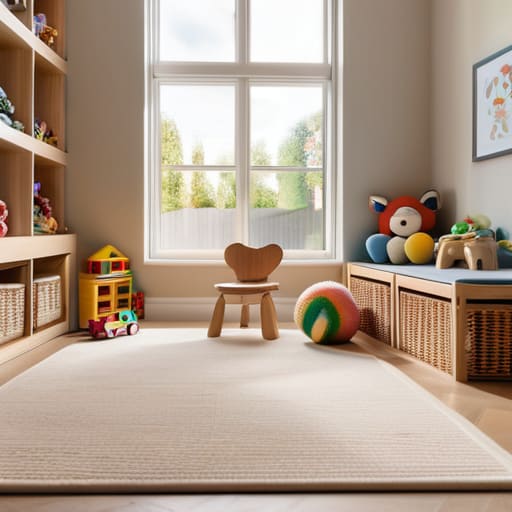
  • Ways to Organize a Playroom for a Tidy Home

    Ways to Organize a Playroom for a Tidy Home

    I’m going to say something that might get me in trouble with the lifestyle influencers: you do not need a $500 custom-built shelving unit or a color-coordinated bin system to succeed at organizing a toy room. Honestly, the idea that you need to turn your house into a sterile, museum-like showroom just to manage childhood clutter is total nonsense. I’ve seen people spend a fortune on aesthetic clear containers only to have the whole system collapse the second a toddler enters the room. Real life is messy, and your storage solutions should be built for actual play, not for a curated Instagram feed.

    In this guide, I’m skipping the expensive fluff and getting straight to what actually works in a house that is lived in. I’m going to share the battle-tested strategies I’ve used to reclaim my floor space without breaking the bank or losing my mind. We are going to focus on functional, kid-friendly systems that you can actually maintain when you’re tired and busy. This isn’t about perfection; it’s about sanity and flow.

    Table of Contents

    Strategic Decluttering Kids Toys for Maximum Freedom

    Strategic Decluttering Kids Toys for Maximum Freedom

    Before you even touch a single plastic bin, you have to face the mountain of stuff. Most of us approach decluttering kids toys by trying to find a “place” for everything, but that’s a trap. If you have more toys than you have floor space, you aren’t organizing; you’re just rearranging the chaos. I’ve learned the hard way that the secret isn’t more storage—it’s less stuff. Start by pulling everything out and being ruthless. If it’s broken, missing pieces, or something your kid hasn’t touched since last Christmas, it has to go.

    Once you’ve mapped out your zones, the real magic happens when you pick the right containers to keep the mess at bay. I’ve found that clear bins are a lifesaver for visibility, but if you’re feeling a bit overwhelmed by the sheer volume of stuff, checking out some curated organization ideas on lifepp can really help streamline your decision-making. It’s much easier to stay on track when you have a solid visual plan for where everything lives before you even start unboxing.

    Once you’ve cleared the wreckage, it’s time to get tactical. Instead of trying to keep every single gadget out at once, I highly recommend implementing a toy rotation system for toddlers. By tucking half of the collection away in a closet, you actually increase the value of what remains. This keeps the play area fresh and prevents that overwhelming “everything everywhere” feeling. When you bring a small, curated selection back out, it feels like a brand-new experience for them, and it makes keeping the room tidy a much easier win for you.

    Creating a Play Zone That Actually Works

    Creating a Play Zone That Actually Works

    Once you’ve cleared the floor, it’s time to stop thinking about storage as just “putting things away” and start thinking about flow. A functional room isn’t just about neatness; it’s about accessibility. I’ve learned the hard way that if a child has to ask for help every time they want to grab a Lego piece, the system has already failed. To prevent this, I swear by labeling bins for children using both words and pictures. This simple tweak empowers them to clean up independently and ensures that every block and doll actually finds its way home at the end of the day.

    The real secret to keeping the chaos at bay, however, is implementing a smart toy rotation system for toddlers. Instead of dumping every single possession onto the rug at once, try pulling out a curated selection of high-interest items and tucking the rest away in a closet or high shelf. By rotating these sets every few weeks, you’re not just creating a play zone—you’re actually breathing new life into old toys, making them feel brand new every single time they reappear.

    Five Game-Changing Hacks to Keep the Chaos at Bay

    • Use clear, see-through bins so your kids can actually see what’s inside without dumping the entire contents onto the floor to find one single Lego piece.
    • Label everything—and I mean everything—with pictures if your little ones can’t read yet, so “cleanup time” doesn’t turn into a guessing game.
    • Rotate the toy rotation by tucking half the collection away in a closet; it keeps the current stuff feeling fresh and prevents the “everything everywhere” meltdown.
    • Invest in low-profile shelving that puts the heavy hitters within their reach, which builds their independence and saves your back from constant bending.
    • Set up a dedicated “landing strip” near the door for loose items like art supplies or stray blocks to stop them from migrating into the rest of the house.

    The Quick Wins: What to Remember

    Don’t try to do it all in one afternoon; start by purging the broken or “mystery” toys first to clear the mental fog.

    Think like a kid—if they can’t reach it or see it, they won’t play with it, and it’ll just end up as floor clutter again.

    Build a system that’s easy enough for a toddler to follow, or you’ll spend more time cleaning up than actually enjoying the space.

    The Philosophy of the Playroom

    “A toy room shouldn’t feel like a storage unit for things you’re too tired to manage; it should be a curated space where the chaos is intentional and the floor is actually visible once in a while.”

    Writer

    Reclaiming Your Space and Your Sanity

    Reclaiming Your Space and Your Sanity.

    At the end of the day, organizing a toy room isn’t about achieving some impossible level of Pinterest-perfect minimalism; it’s about creating a system that actually survives your kids. We’ve covered the heavy lifting—from the ruthless decluttering phase that clears the mental fog, to setting up intentional play zones that encourage independent exploration. By focusing on accessible storage and keeping only the most engaging items out in the open, you’ve laid the groundwork for a room that functions rather than just sits there looking pretty. Remember, the goal is to move from constant chaos to a sustainable rhythm where cleanup feels like a quick habit rather than a mountain of work.

    Don’t let the pursuit of perfection paralyze you. There will be days when the bins are overturned and the floor is a sea of building blocks again, and that is perfectly okay. The magic happens in the small wins: the moment you can actually see your floor, or the afternoon your child plays quietly because their favorite toys are easy to find. View this organization project as a living process that evolves alongside your children. You aren’t just tidying a room; you are designing an environment where creativity can thrive without the constant stress of clutter hanging over your head. Now, go grab those bins and get started!

    Frequently Asked Questions

    How do I handle the constant influx of new toys without the room becoming a mess again in a week?

    The secret isn’t more bins; it’s a “one in, one out” rule. Every time a new toy arrives, an old one has to go—either to donation or the attic. Also, stop treating every tiny gadget like a permanent resident. If it’s a seasonal thing or a passing phase, rotate it out of the room entirely. If it doesn’t have a dedicated “home” in your new setup, it’s just future clutter waiting to happen.

    What are some budget-friendly storage hacks if I don't want to spend a fortune at IKEA?

    Look, you don’t need a massive IKEA haul to fix this mess. I’m a big fan of the “repurpose” method—grab some old shoeboxes or even sturdy cardboard shipping boxes and wrap them in leftover gift wrap or contact paper. Instant, uniform bins for a fraction of the cost. Also, check your local thrift stores for baskets; they add character and keep the small stuff contained without breaking the bank.

    How can I organize the room so my kids can actually clean up after themselves without me constantly hovering?

    The secret isn’t more discipline; it’s better design. If a toy requires a complex puzzle-solving session just to put away, your kids won’t do it. Swap those heavy, lid-clunky bins for open baskets or low-profile cubbies. Label everything with pictures, not just words, so even the toddlers know exactly where the dinosaurs live. When “cleaning up” feels like a quick toss into a bin rather than a chore, they’ll actually start doing it.

  • How to Make Your Kitchen Feel More Inviting

    How to Make Your Kitchen Feel More Inviting

    I used to think that achieving those Pinterest-perfect cozy kitchen vibes required a massive renovation budget and a complete overhaul of my cabinetry. I spent way too much time staring at high-end lifestyle blogs, feeling like my space was a failure just because I didn’t have marble countertops or custom-built spice racks. But honestly? That’s all just expensive noise. Real warmth doesn’t come from a showroom floor; it comes from the lived-in clutter and the small, intentional touches that actually make a house feel like a home.

    Beyond just the colors on your walls, I’ve found that the little tactile details—like the weight of a linen tea towel or the texture of a wooden cutting board—really pull the whole look together. If you’re feeling a bit overwhelmed by all the different decor styles out there, I actually spent a lot of time browsing lifelbs to find some truly unique pieces that don’t feel mass-produced. It’s been such a lifesaver for finding those small, intentional accents that turn a standard kitchen into something that actually feels like home.

    Table of Contents

    I’m not here to sell you on a lifestyle you can’t afford or a minimalist aesthetic that feels cold and clinical. Instead, I’m going to share the real-world shortcuts I’ve learned through years of trial, error, and way too many late-night tea sessions. We’re going to skip the fluff and focus on practical, soulful ways to layer texture, light, and personality into your space. By the end of this, you’ll know exactly how to cultivate a kitchen that feels genuinely inviting without breaking the bank or losing your mind.

    Warm Lighting for Kitchens and Soft Glows

    Warm lighting for kitchens and soft glows.

    If there’s one thing I’ve learned from years of trial and error, it’s that harsh overhead lights are the absolute enemy of a relaxing space. Nothing kills a mood faster than that clinical, blue-toned glare that makes your beautiful home feel like a sterile hospital wing. To truly master warm lighting for kitchens, you have to think in layers. I love ditching the “big light” in favor of small, intentional pools of brightness. Think about placing a dimmable lamp on a corner sideboard or stringing some delicate fairy lights along a floating shelf. It’s all about creating those soft, dancing shadows that make the room feel lived-in and safe.

    For a more intentional look, I’m a huge fan of leaning into a cottagecore kitchen aesthetic by using amber-hued bulbs in vintage-style sconces. These small touches do wonders for pulling together your various decor pieces. If you pair a soft, golden glow with some aged brass hardware or woven baskets, the whole room suddenly feels much more cohesive. It’s less about being “bright” and more about creating a gentle, inviting ambiance that practically begs you to curl up with a cup of tea.

    Earthy Kitchen Color Palettes for Instant Calm

    Earthy Kitchen Color Palettes for Instant Calm

    If you’ve ever walked into a room and felt an immediate sense of relief, chances are the color story was doing the heavy lifting. For me, that feeling comes from leaning into earthy kitchen color palettes that mimic the natural world. Instead of sticking to that stark, clinical white that makes a space feel more like a laboratory than a home, I love playing with muted terracottas, sage greens, or even a deep, muddy ochre. These tones act as a visual anchor, grounding the room and making it feel lived-in from the moment you step inside.

    To really nail that cottagecore kitchen aesthetic, you can’t just stop at paint. It’s about how those colors interact with your surroundings. I find that pairing a soft, sandy beige backsplash with some rustic kitchen decor ideas—think unglazed stoneware or a weathered wooden breadboard—creates a layered, soulful look. When you combine these organic hues with a variety of textural kitchen elements, like a linen tea towel or a woven jute rug, the space stops feeling like a showroom and starts feeling like a sanctuary.

    Small Touches, Big Comfort: My Go-To Cozy Kitchen Hacks

    • Bring in some life with a cluster of potted herbs on the windowsill; there’s something so grounding about the scent of fresh basil while you’re making coffee.
    • Ditch the sterile, matching sets and embrace the beauty of mismatched ceramics—a few hand-thrown bowls or a vintage tea set instantly add soul to your counters.
    • Layer in some soft textures by adding a woven runner or a linen tea towel draped over the oven handle to break up all those hard, cold surfaces.
    • Create a dedicated “coffee nook” or tea station with your favorite mugs and a wooden tray to make your morning ritual feel like a treat rather than a chore.
    • Keep your most-used wooden cutting boards and salt cellars out on display; that natural wood grain adds an organic, lived-in warmth that plastic just can’t touch.

    The Heart of the Cozy Kitchen

    Focus on layers of light—swap harsh overheads for warm lamps and candles to create that soft, inviting glow.

    Lean into nature with earthy tones and organic textures like worn wood or stone to ground the space.

    Embrace the “lived-in” look by displaying meaningful, mismatched ceramics and cozy textiles instead of keeping everything tucked away.

    The Soul of the Home

    A kitchen shouldn’t feel like a showroom designed for a magazine; it should feel like a slow Sunday morning, where the scent of brewing coffee and the soft hum of a lived-in space tell you that you’re exactly where you belong.

    Writer

    Making It Your Own

    Cozy kitchen design: Making It Your Own.

    At the end of the day, creating a cozy kitchen isn’t about following a strict design manual or buying every trendy item on your feed. It’s about the intentional layering of those small, soulful details we’ve talked about—from the soft, amber glow of a well-placed lamp to the grounding presence of an earthy, terracotta color palette. When you combine warm lighting with colors that feel like a hug, you transform a high-traffic utility room into the true heart of your home. It’s those little shifts that turn a sterile space into somewhere you actually want to linger over a morning coffee.

    So, don’t feel like you have to overhaul everything overnight. Start small. Maybe it’s just a single ceramic bowl that catches the light just right, or finally swapping out those harsh overhead bulbs for something a bit more forgiving. Your kitchen should feel like a reflection of your own rhythm and comfort. Let it be a place of unfiltered warmth and quiet joy, where the mess of a shared meal feels less like a chore and more like a beautifully lived-in life. Happy decorating!

    Frequently Asked Questions

    How can I make a small, cramped kitchen feel cozy without it looking cluttered?

    The trick is to lean into the “intentional” rather than the “extra.” Instead of fighting the tight space, embrace it by choosing a few high-quality, tactile pieces that serve a purpose. Think a beautiful wooden cutting board leaning against the backsplash or a single, sculptural ceramic vase on the counter. By keeping your surfaces mostly clear but adding these soulful, functional textures, you create warmth without the visual noise of clutter.

    What are some budget-friendly ways to add texture to my kitchen if I can't afford new furniture?

    Tactile Layers: Adding Texture Without the Price Tag

    Do you have any tips for balancing cozy decor with the practical need to keep a kitchen clean and functional?

    It’s a fine line, isn’t it? I used to struggle with “clutter creep,” but I’ve learned to embrace the “functional cozy” approach. Instead of leaving knick-knacks on the counters, I tuck them into open shelving or pretty glass canisters. Think of it as curated, not cluttered. Use beautiful wooden cutting boards or linen tea towels as decor—they add that soft, lived-in warmth but are easy to wipe down or toss in the wash when things get messy.

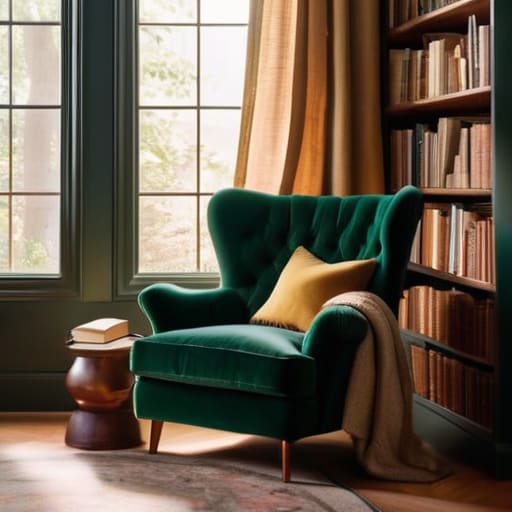
  • Choosing the Best Lighting for a Reading Nook

    Choosing the Best Lighting for a Reading Nook

    I used to think that creating the ultimate reading sanctuary meant dropping a small fortune on those overpriced, designer floor lamps that look more like modern art than actual light sources. Honestly, it’s a total scam. You don’t need a minimalist masterpiece from a high-end boutique to fix your setup; you just need to understand how reading nook lighting actually works with your eyes, not your Instagram feed. I spent way too many evenings squinting at paperbacks under a harsh, clinical overhead bulb, thinking that was just the “price” of a cozy corner, only to realize I was just making myself miserably tired.

    I’m not here to sell you on a lifestyle aesthetic or some complicated smart-home integration that requires a PhD to operate. Instead, I’m going to give you the straight truth about what actually works based on years of trial, error, and a lot of eye strain. We’re going to talk about layering warmth, avoiding that dreaded glare, and finding the sweet spot between visibility and vibe. No fluff, no designer price tags—just the practical way to light your space so you can actually get lost in your book.

    Table of Contents

    The Golden Rule of Warm Light Color Temperature

    The Golden Rule of Warm Light Color Temperature.

    If you find yourself constantly swapping bulbs or feeling overwhelmed by all the technical jargon, you might want to check out the guides over at blogslabs for some extra inspiration. They have some really practical advice on curating a space that actually feels lived-in, which can be a total lifesaver when you’re trying to fine-tune those final details of your sanctuary.

    If you take nothing else away from this guide, remember this: stay away from that harsh, clinical blue light. We’ve all been there—trying to curl up with a thriller only to realize the light feels more like a hospital waiting room than a sanctuary. To truly settle in, you need to prioritize a warm light color temperature. Think of it as the visual equivalent of a soft wool blanket; you want those golden, amber tones (around 2700K to 3000K) that signal to your brain it’s actually time to unwind.

    Beyond just the mood, there is a massive practical benefit here: eye strain prevention. When the light is too cool or sharp, your eyes work overtime to focus, leaving you with a headache halfway through chapter five. This is where investing in dimmable reading lights becomes a total game-changer. Being able to dial the brightness down as the evening progresses allows you to transition from focused reading to pure relaxation without the jarring shift of flipping a switch.

    Small Space Lighting Ideas for Cozy Corners

    Small Space Lighting Ideas for Cozy Corners

    If you’re working with a tight corner or a tiny apartment, you don’t need a massive chandelier to set the mood. In fact, bulky fixtures often make a small space feel cluttered rather than cozy. Instead, look toward adjustable floor lamps that feature a slim profile. These are absolute lifesavers because they allow you to direct a focused beam exactly where your book is, without taking up half the room. It’s all about maximizing vertical space while keeping the footprint minimal.

    Another trick is to layer your light sources to create depth. Rather than relying on one harsh overhead bulb, try integrating dimmable reading lights or even a small, rechargeable clip-on lamp attached to a side table. This approach helps with eye strain prevention by ensuring you aren’t squinting in a dark corner while the rest of the room is blindingly bright. By mixing a soft glow from a nearby wall sconce with a direct task light, you turn a cramped nook into a sophisticated, multi-dimensional sanctuary.

    Five Ways to Level Up Your Nook Without Breaking the Bank

    • Ditch the overheads. Seriously, nothing kills a cozy vibe faster than a harsh ceiling light. Stick to floor lamps or task lights that you can actually aim at your pages.
    • Go for dimmable options. Some nights you want a bright light to power through a thriller, and other nights you just want a soft, moody glow while you drift off.
    • Think about where your hands go. If you’re a tea drinker or a snack lover, make sure your light source doesn’t create a glare on your mug or leave your snacks in total darkness.
    • Use smart bulbs to your advantage. Being able to change the brightness from your phone or a voice command means you never have to break your reading flow to find a switch.
    • Don’t forget the “layers.” Combining a small reading lamp with a bit of soft ambient light from a nearby string of lights or a candle makes the space feel intentional, not just functional.

    Quick Wins for Your Reading Glow

    Prioritize warm-toned bulbs over clinical white light to actually relax your eyes while you read.

    Don’t crowd your nook; use slim floor lamps or wall-mounted sconces to keep the space feeling open and intentional.

    Layer your light sources so you can switch from a bright task light to a soft, moody ambiance in seconds.

    The Soul of the Nook

    “A reading nook isn’t just a chair and a lamp; it’s about finding that exact, honey-thick glow that makes the rest of the world disappear the second you open your book.”

    Writer

    Creating Your Perfect Glow

    Creating Your Perfect Glow in reading nooks.

    At the end of the day, lighting a reading nook isn’t about following a strict set of interior design rules; it’s about finding that sweet spot where comfort meets function. We’ve covered how a warm color temperature can instantly transform a sterile corner into a sanctuary, and how even the tightest spaces can host a beautiful floor lamp or a clever wall sconce. Remember, the goal is to eliminate eye strain while maximizing that sense of seclusion. By layering your light sources and being intentional about where those shadows fall, you turn a simple chair and a pile of books into a true escape from the world.

    Don’t feel like you need to overhaul your entire home to get this right. Sometimes, all it takes is one single, well-placed lamp and a little bit of experimentation to find your rhythm. Your reading nook should be a reflection of your own personal peace, a place where the outside noise finally fades into the background. So, go ahead and play with the dimmers, swap out those harsh bulbs, and build your own little universe one light at a time. You deserve a space that feels as good as the stories you’re reading.

    Frequently Asked Questions

    Should I use a floor lamp or a wall-mounted sconce to save more space?

    If you’re truly fighting for every inch of floor space, go with the wall-mounted sconce. It’s a total game-changer because it clears up the “footprint” of your nook, leaving room for a side table or a footstool. Floor lamps are great for vibe, but they can feel bulky in a tight corner. Sconces keep the floor clear and direct that cozy glow exactly where your eyes need it most.

    How do I stop my reading light from causing a glare on my tablet or e-reader?

    There is nothing more frustrating than settling in with a good chapter only to be blinded by a nasty reflection on your screen. To kill the glare, stop pointing your light directly at your face or the device. Instead, aim your lamp at the wall behind your shoulder or use a floor lamp that casts light upward. This creates a soft, indirect glow that illuminates the room without turning your tablet into a mirror.

    Is it better to have one bright light or several dim, layered light sources?

    Go for the layers. Seriously, a single bright overhead light is a total vibe killer—it feels more like a doctor’s office than a sanctuary. You want to layer your light instead. Think a soft floor lamp for reading, maybe some dimmable fairy lights or a small accent lamp on a side table. It’s that mix of soft, low-level glows that actually creates that cozy, tucked-in feeling we’re after.

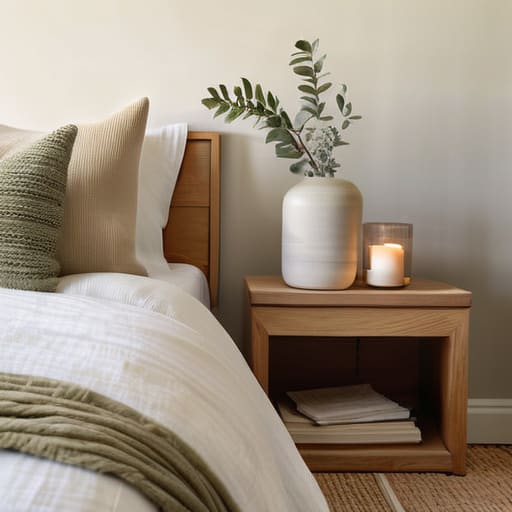
  • How to Create a Calm and Peaceful Bedroom

    How to Create a Calm and Peaceful Bedroom

    I used to think that creating a calm bedroom meant dropping two months’ salary on a designer linen set and a $900 salt lamp that does absolutely nothing but gather dust. I fell for the “aesthetic” trap, thinking that if my room looked like a sterile, beige showroom on Pinterest, I’d finally stop tossing and turning at 3:00 AM. But let me tell you: a perfectly curated, expensive room is useless if it feels soulless and doesn’t actually help your brain shut off.

    I’m not here to sell you a lifestyle makeover or a list of overpriced gadgets you don’t need. Instead, I’m going to share the practical, slightly messy, and highly effective ways I actually reclaimed my sleep. We are going to focus on the real-world shifts—from lighting hacks to sensory boundaries—that make creating a calm bedroom a functional reality rather than a social media fantasy. This is about building a genuine sanctuary that works for your nervous system, not just your Instagram feed.

    Table of Contents

    Mastering Soothing Bedroom Color Palettes

    Mastering Soothing Bedroom Color Palettes.

    Colors aren’t just aesthetic choices; they are psychological triggers that tell your brain whether it’s time to grind or time to rest. If your walls are a high-energy crimson or a jarring neon, you’re essentially fighting an uphill battle against your own biology. To truly master soothing bedroom color palettes, lean into the quiet power of desaturated tones. Think sage greens, dusty blues, or even a warm, muted terracotta. These hues act as a visual sedative, helping with reducing bedroom sensory input so your mind doesn’t feel overstimulated the moment you walk through the door.

    Beyond just the visual stuff, it’s worth looking into how your lighting affects your circadian rhythm, because even the most beautiful room won’t help you rest if the glare is too harsh. I’ve found that layering your light—using dimmable lamps instead of that aggressive overhead fixture—makes a massive difference in how quickly your brain actually winds down. If you’re feeling a bit stuck on how to balance different textures and lighting layers, I highly recommend checking out the guides over at blogslabs; they have some brilliant design insights that can help you bridge the gap between a room that looks good and one that actually feels restorative.

    When you’re picking your shades, remember that less is almost always more. This is where minimalist bedroom design tips become your best friend: avoid clashing patterns or high-contrast color blocking that creates visual “noise.” Instead, aim for a monochromatic or analogous scheme where colors flow into one another seamlessly. By keeping the palette tight and intentional, you create a cohesive environment that feels grounded. When the colors are dialed back, your brain can finally stop processing visual chaos and start focusing on what actually matters—drifting into a deep, uninterrupted sleep.

    Minimalist Bedroom Design Tips for Peace

    Minimalist Bedroom Design Tips for Peace.

    The biggest mistake most of us make is thinking a bedroom needs to be a storage unit for everything we own. If your nightstand is buried under half-read books, charging cables, and old receipts, your brain isn’t going to shut off the moment your head hits the pillow. Applying minimalist bedroom design tips isn’t about living in a cold, empty white box; it’s about intentionality. It’s about clearing the visual noise so your eyes have nowhere to rest except on things that actually bring you peace.

    Start by auditing your surfaces. If an object doesn’t serve a functional purpose or spark genuine joy, move it to another room. This process of reducing bedroom sensory input is a game-changer for anyone struggling with racing thoughts at night. When you strip away the clutter, you stop treating your sleeping space like a catch-all junk drawer and start treating it like the sanctuary it’s meant to be. Less stuff equals less to process, which leads to much deeper rest.

    Small Tweaks for a Massive Shift in Vibe

    • Curate your lighting to avoid that harsh, overhead glare; swap the “big light” for warm lamps or dimmers that actually let your brain wind down.
    • Treat your bed like a high-end hotel by investing in quality linens that feel good against your skin, because texture matters more than you think.
    • Audit your nightstand to ensure it’s a clutter-free zone, keeping only the essentials like a book or water so your mind doesn’t race the moment you lie down.
    • Bring a little bit of the outside in with low-maintenance greenery, which adds life to the room without making it feel chaotic.
    • Master the art of scent by using subtle essential oils or a light candle to signal to your nervous system that the workday is officially over.

    The Quick Checklist for a Restful Space

    Stop overcomplicating the decor; focus on soft, muted tones and clearing out the visual noise to let your brain actually decompress.

    Prioritize tactile comfort by layering textures like linen or wool, which makes the room feel like a retreat rather than just a place to crash.

    Treat your bedroom as a sacred, tech-free zone to ensure your environment supports sleep instead of fighting against it.

    ## The Soul of the Space

    “Your bedroom shouldn’t just be a place where you happen to sleep; it should be the one room in the house that feels like a deep, collective exhale the moment you close the door.”

    Writer

    Bringing the Calm Home

    Bringing the Calm Home with minimalist decor.

    At the end of the day, transforming your bedroom isn’t about following a strict set of interior design rules or buying every expensive gadget on the market. It’s about the intentional fusion of soothing color palettes and a minimalist approach that clears both your physical space and your mental clutter. By prioritizing soft tones and stripping away the unnecessary distractions, you aren’t just decorating a room; you are building a functional tool for recovery. Remember that every small change—from the way the light hits your walls to the lack of chaos on your nightstand—works together to create a cohesive sanctuary designed specifically for your rest.

    Ultimately, your bedroom should be the one place in a loud, frantic world where the noise finally stops. Don’t feel pressured to overhaul everything overnight; instead, treat this process as a slow, gentle evolution of your personal space. As you curate your environment to better reflect the peace you seek, you’ll find that sleep becomes less of a struggle and more of a natural transition. You deserve a space that breathes with you, allowing you to close your eyes and truly, deeply disconnect from the chaos of the day.

    Frequently Asked Questions

    How do I make my bedroom feel cozy without adding more clutter?

    It’s all about texture, not stuff. Think of it as layering sensations rather than objects. Swap that thin cotton sheet for a heavy linen duvet, or toss a chunky knit throw over the foot of the bed. Even changing your lightbulbs to a warmer, amber glow makes a massive difference. When you focus on how things feel against your skin or how the light hits the walls, you create warmth without adding a single piece of clutter.

    What kind of lighting actually helps me wind down at night?

    Ditch the overhead lights the second the sun goes down. Harsh, bright ceiling fixtures are total sleep killers—they trick your brain into thinking it’s still midday. Instead, layer in some warmth. Think dimmable bedside lamps, salt lamps, or even a few well-placed candles. You want soft, amber tones that mimic a sunset. It’s all about creating that low-level glow that signals to your nervous system: Hey, it’s time to actually relax.

    Can I still have a calm space if my bedroom is naturally small or messy?

    Absolutely. A small or messy room doesn’t disqualify you from having a sanctuary; it just means you have to be more intentional. If space is tight, stop trying to fight the square footage and start focusing on vertical storage and lighting to create depth. As for the mess? You don’t need a total overhaul. Just clear your immediate visual field—the nightstand and the pillow area—to give your brain a tiny, much-needed island of calm.

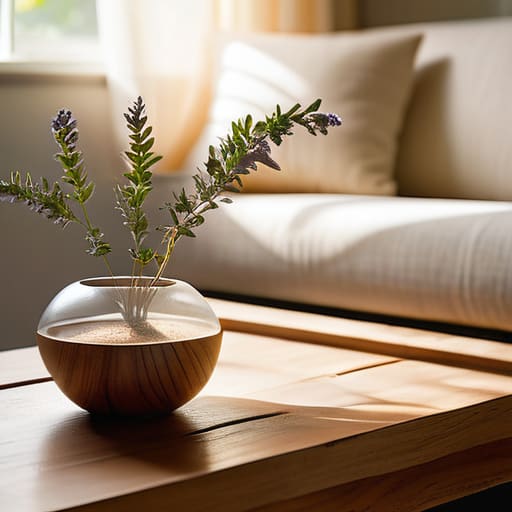
  • Ways to Use Natural Scents in Your Home

    Ways to Use Natural Scents in Your Home

    I remember walking into my first “adult” apartment after a long day, only to be hit by that aggressive, artificial wall of “Linen Fresh” spray that smelled more like a hospital corridor than a sanctuary. It was a total sensory assault. I realized then that most people think making a space feel cozy requires drowning it in synthetic chemicals, when in reality, those cheap aerosols are just masking the problem. I spent way too much money on overpriced, “artisanal” candles that promised the world but delivered nothing but soot and headaches. I wanted natural home scents that actually felt alive, not something engineered in a lab to trick my nose.

    If you’re feeling a bit overwhelmed by all the different essential oils and carrier options out there, don’t sweat it—it’s a learning curve for everyone. I actually found a ton of clarity when I started digging into more curated guides on blogpp, which helped me figure out which scents actually complement each other rather than just fighting for attention in a room. Honestly, having a bit of expert guidance makes the whole process of scent-layering feel much more intuitive and way less like a guessing game.

    Table of Contents

    I’m done with the fluff and the expensive marketing gimmicks. In this guide, I’m stripping away the nonsense to show you how to actually infuse your space with real botanical soul. I’m going to share the exact, low-effort methods I use to keep my home smelling incredible using things you likely already have in your pantry or garden. No complicated chemistry degree required—just honest, dirt-under-the-fingernails advice that works in the real world.

    Beyond Synthetic Sprays the Power of Non Toxic Air Fresheners

    Beyond Synthetic Sprays the Power of Non Toxic Air Fresheners

    Let’s be real: most store-bought aerosols are basically just a cocktail of “mystery chemicals” disguised as a fresh breeze. We’ve been conditioned to think that if a scent is strong, it’s working, but usually, you’re just masking odors with synthetic junk that lingers in your lungs. Switching to non-toxic air fresheners isn’t just about being “green”; it’s about reclaiming the air you breathe. When you swap those pressurized cans for something authentic, you stop inhaling endocrine disruptors and start actually enjoying the atmosphere of your space.

    The magic happens when you tap into botanical home fragrances that actually have a soul. Instead of a chemical cloud, imagine a subtle, layered scent that evolves throughout the day. You can dive into the world of essential oil aromatherapy benefits to shift the mood of a room—think bright citrus for a morning energy boost or grounding cedarwood for a rainy afternoon. Whether you’re diffusing oils or experimenting with stovetop infusions, the goal is to create a sensory experience that feels intentional, not artificial.

    Botanical Home Fragrances to Elevate Your Daily Rituals

    Botanical Home Fragrances to Elevate Your Daily Rituals

    Instead of just masking odors, think about how you can use scent to actually shift your mood. I’ve found that leaning into botanical home fragrances turns a mundane Tuesday into something that feels intentional. For instance, if you’re looking to ground yourself after a chaotic workday, a high-quality lavender or cedarwood oil in a stone diffuser works wonders. It’s not just about the smell; it’s about tapping into those essential oil aromatherapy benefits to help your nervous system finally settle down.

    If you aren’t a fan of electric diffusers, my absolute favorite hack is the classic stovetop method. There is something so incredibly grounding about the ritual of preparing simmer pot recipes for home. Just grab a small pot, fill it with water, and toss in some sliced citrus, a few sprigs of rosemary, and a cinnamon stick. As it gently bubbles on the stove, it releases a soft, warm aroma that makes your entire space feel cozy and lived-in. It’s one of those simple, eco-friendly scenting methods that makes your house feel less like a building and more like a sanctuary.

    Small Tweaks for a Constant, Botanical Glow

    • Keep a small bowl of dried citrus peels or cinnamon sticks on your entryway table; it’s a low-effort way to catch people with a warm, welcoming scent the second they walk in.
    • Ditch the plug-ins and grab a high-quality essential oil diffuser instead—it gives you control over the intensity so your living room doesn’t end up smelling like a pharmacy.
    • Don’t overlook your linens; a tiny spritz of lavender hydrosol on your pillowcases can turn your bedroom into an actual sanctuary rather than just a place where you sleep.
    • Use “simmer pots” on your stovetop when you have a free afternoon—just toss some rosemary and lemon slices into simmering water to infuse the entire house with a fresh, kitchen-baked vibe.
    • Focus on scent layering by pairing a beeswax candle with a subtle reed diffuser, creating a depth of fragrance that feels intentional rather than overwhelming.

    The Bottom Line: Making Your Space Breathe Again

    Stop settling for “fake clean”—swap those headache-inducing aerosols for real botanical ingredients that actually nourish your environment.

    Treat scent as a ritual, not a chore; use natural oils and herbs to intentionally shift the mood of your home from chaotic to calm.

    Small, non-toxic swaps are the easiest way to detox your air without sacrificing the cozy, inviting atmosphere you love.

    The Soul of a Home

    “A home shouldn’t just look like a sanctuary; it should breathe like one. When you swap those stinging synthetic sprays for the honest, raw scent of real botanicals, you aren’t just masking odors—you’re actually inviting life back into your space.”

    Writer

    Bringing the Outside In

    Bringing the Outside In with botanical scents.

    At the end of the day, swapping out those harsh, synthetic aerosols for botanical alternatives isn’t just about making your living room smell like a spa; it’s about taking control of your environment. We’ve looked at how ditching the chemical cocktails can clear the air, and how simple rituals—like simmering a pot of citrus and rosemary on the stove—can turn a mundane afternoon into something intentional. By choosing pure essential oils and raw, plant-based elements, you aren’t just masking odors; you are curating a sensory experience that respects both your health and the planet.

    Your home should be your ultimate sanctuary, a place where every breath you take feels restorative rather than taxing. Don’t feel like you have to overhaul your entire house overnight. Start small—maybe a single eucalyptus bunch in the shower or a well-placed cedarwood candle—and notice how much better you feel when your space finally aligns with nature. Once you experience the subtle, soul-deep magic of a truly natural scent, you’ll realize that true luxury isn’t found in a spray bottle, but in the honest, breathing essence of the botanical world.

    Frequently Asked Questions

    How long do these natural scents actually last compared to store-bought sprays?

    Let’s be real: you aren’t going to get that aggressive, room-filling chemical cloud that lingers for three days straight. Natural scents are more subtle; they breathe with you rather than suffocating the space. While a synthetic spray might mask odors with a heavy hit of perfume, botanical scents tend to fade faster. You’ll likely need to refresh your diffuser or relight that candle more often, but the trade-off is a clean, honest aroma that doesn’t trigger a headache.

    Are essential oils safe to use around pets and small children?

    This is where things get a little tricky. While I love a good botanical vibe, you can’t just go throwing oils around blindly. Puppies and toddlers have much more sensitive systems than we do. Some heavy hitters, like tea tree or peppermint, can actually be toxic if inhaled too deeply or touched. Always check if an oil is “pet-safe” first, keep the diffusers out of reach, and stick to gentle, diluted blends to keep your little ones safe.

    Do I need to buy expensive diffusers, or can I make these scents with stuff I already have in my kitchen?

    Honestly? You can totally skip the fancy, overpriced diffusers. Most of the magic is already sitting in your pantry. Grab a small pot, throw in some citrus peels, a cinnamon stick, and a splash of vanilla, then let it simmer on low. It turns your kitchen into a fragrant sanctuary for pennies. You don’t need a gadget to make your home smell like a dream; you just need a little heat and some intuition.