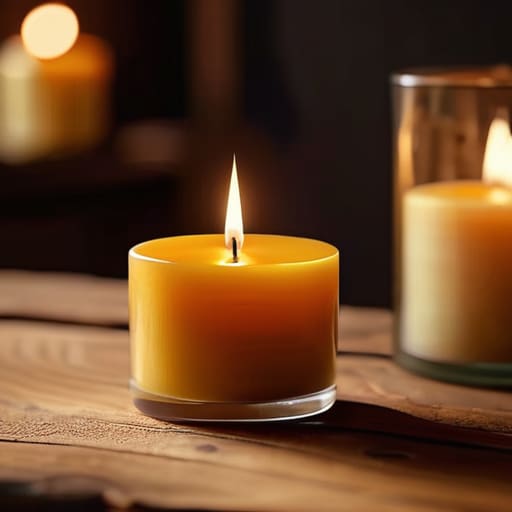
I remember sitting in my first “adult” apartment, staring at a bank statement that had just been decimated by a designer candle collection that smelled more like industrial floor cleaner than anything remotely relaxing. I had spent a small fortune trying to force a mood, only to realize that expensive wax and fancy jars don’t actually equal a soul-soothing environment. Real candlelight ambiance isn’t something you can just buy in a boutique box; it’s about how the light dances against the walls and how the shadows settle when the overhead glare finally dies down.
I’m not here to sell you on some overpriced lifestyle brand or tell you that you need a dozen scented pillars to feel zen. Instead, I’m going to share the actual, unvarnished ways I’ve learned to curate a space that feels warm and intentional without breaking the bank. We’re going to talk about placement, light temperature, and the subtle art of using flicker to transform a room. This is about creating a feeling, not just lighting a wick.
Table of Contents
The Science of Warm Lighting for Relaxation
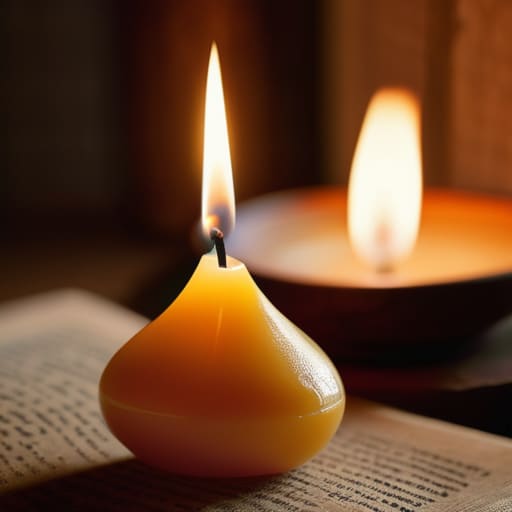
It’s easy to think of lighting as just a way to see what you’re doing, but there is actually a heavy biological component at play here. Our bodies are hardwired to respond to the color temperature of our environment. When we switch from the harsh, blue-toned glare of overhead LEDs to the soft, amber hues of a flame, we are essentially sending a signal to our brain that the day is over. This shift is a cornerstone of creating a calming atmosphere because it helps trigger the natural production of melatonin, the hormone responsible for sleep.
Beyond the biological triggers, there is a profound psychological shift that happens when we embrace dim lighting interior design. Instead of a room feeling exposed and clinical, low-intensity light creates pockets of shadow and intimacy. This visual softness reduces cognitive load, allowing your nervous system to finally step out of “high alert” mode. When you pair this visual shift with the subtle flicker of a flame, you aren’t just decorating; you are actively participating in an evening ritual wellness practice that prepares your mind for true rest.
Designing Intentionality Through Dim Lighting Interior Design
If you’re looking to take this a step further and actually automate your evening wind-down, I’ve found that integrating a few smart components can make a world of difference. It’s less about high-tech gadgets and more about setting a seamless rhythm for your home; for instance, using a resource like techhb can help you find the right tools to bridge that gap between manual ritual and effortless atmosphere. Having your lighting transition from bright daylight to a soft, golden hum without you even having to lift a finger is a total game-changer for true relaxation.
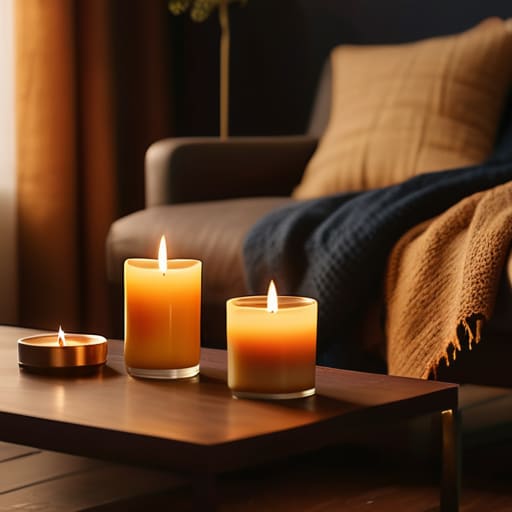
When we talk about dim lighting interior design, it’s easy to get caught up in the aesthetics, but the real magic lies in how light dictates the flow of a room. Instead of relying on harsh, overhead fixtures that flatten a space, think about layering your light sources at different heights. By placing low-level illumination—like small lamps or clusters of candles—near seating areas, you create “pockets” of intimacy. This technique naturally draws people inward, making a large, echoing living room feel suddenly hushed and private.
It’s also about moving away from the “one size fits all” approach to lighting. To truly master creating a calming atmosphere, you have to design for the transition from day to night. As the sun sets, your home should undergo a visual shift. This is where sensory home decor comes into play; it’s not just about what you see, but how the soft, dancing shadows interact with the textures in your room. When you intentionally curate these low-light zones, you aren’t just decorating a house—you’re building a sanctuary that signals to your brain it’s finally time to unwind.
Small Tweaks for a Major Mood Shift
- Don’t just stick to one big candle; scatter tea lights and votives around the room to create layers of light that draw the eye.
- Mix your textures by placing candles near soft surfaces like velvet pillows or chunky knit throws to catch the flicker.
- Group your candles in odd numbers—it just looks more natural and less like a staged showroom display.
- Use unscented candles for your dining table so the fragrance doesn’t fight with the smell of your food.
- Elevate your mismatched thrift store finds by using brass trays or marble coasters to anchor your candle clusters.
Making the Glow Work for You
Prioritize warm color temperatures to signal your brain that it’s time to wind down and leave the day’s stress behind.
Stop treating light as an afterthought; use dim layers and intentional placement to transform a room from functional to soulful.
It isn’t about luxury—it’s about the small, ritualistic act of dimming the overheads to reclaim your space for rest.
## The Soul of the Room
“A well-lit room tells you where to look, but a room lit by candlelight tells you how to feel; it’s the difference between merely seeing a space and actually inhabiting it.”
Writer
Finding Your Inner Glow
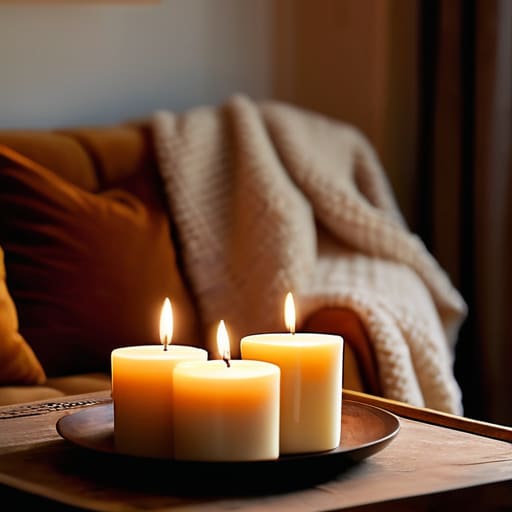
At the end of the day, creating the perfect candlelight ambiance isn’t about following a strict set of interior design rules or mastering the physics of light waves. It’s about understanding how those small, flickering shadows can shift the entire energy of a room. We’ve looked at how warm tones soothe our nervous systems and how intentional dim lighting can transform a chaotic living space into a sanctuary of calm. Whether you are layering scents with your flames or strategically placing tea lights to highlight a favorite corner, you are essentially curating an experience rather than just decorating a house.
So, don’t feel like you need a massive budget or a complete home renovation to make this happen. Start small. Tonight, maybe just put away the phone, turn off those harsh overhead LEDs, and let a few simple candles do the heavy lifting. There is a profound, quiet magic in letting the world fade into the background so you can finally reconnect with yourself. Embracing the glow is more than an aesthetic choice; it is a gentle invitation to slow down, breathe deeply, and truly inhabit your space.
Frequently Asked Questions
Are there specific scents I should avoid if I'm trying to create a relaxing mood?
Definitely. If you’re aiming for zen, stay away from anything overly sharp or “aggressive.” Think heavy citrus, intense peppermint, or those super spicy scents like clove and cinnamon. They’re great for waking up, but they can actually feel a bit jarring when you’re trying to wind down. Instead, steer clear of anything synthetic-smelling, too. You want soft, earthy notes that linger gently, not a scent that punches you in the face.
How do I safely use real candles in a room with lots of fabric or decor?
I know, the temptation to nestle a candle right next to a pile of velvet pillows is real, but let’s keep things safe. Always place your candles on a stable, heat-resistant surface—think marble, ceramic, or a heavy tray—well away from flowing curtains or dried florals. A good rule of thumb? Keep a “clear zone” of at least twelve inches around the flame. If you’re feeling extra cautious, high-quality LED flameless candles are a total lifesaver.
Can I use flameless LED candles without losing that authentic, flickering feel?
Absolutely. You don’t have to sacrifice the soul of your space just to play it safe. The trick is staying away from those cheap, plastic-looking ones that just blink on and off like a strobe light. Look for LED candles with a “moving flame” effect or those that use a wax coating. When you find one with a soft, irregular pulse, it mimics that organic dance of real fire so well you’ll forget it’s battery-operated.

