
I used to think that “unwinding after work” required a curated lifestyle: a $90 yoga class, a specific brand of organic tea, and a perfectly lit meditation nook. Honestly? That sounds more like another chore on my to-do list. We’ve been sold this lie that relaxation has to be an expensive, aesthetic production, when in reality, most of us are just trying to stop our brains from vibrating after eight hours of back-to-back meetings. If your idea of self-care feels more like a performance than a relief, you’re doing it wrong.
I’m not here to sell you on a lifestyle overhaul or some overpriced wellness retreat. Instead, I’m going to share the unfiltered, messy reality of how I actually reclaim my sanity when the clock hits five. We’re going to skip the fluff and focus on small, actually doable shifts that help you transition from “worker mode” to “human mode” without needing a complete life redesign. This is about real recovery for real people.
Table of Contents
Mastering the Great Disconnect Separating Work and Home Life

The hardest part isn’t actually leaving the office; it’s leaving the mental loop of unread emails and pending deadlines. We’ve all been there—sitting at the dinner table while your brain is still stuck in a spreadsheet. To truly master the art of separating work and home life, you have to create a physical or psychological “buffer zone.” This might mean a twenty-minute walk without a podcast, or even just changing your clothes the second you walk through the door. It sounds simple, but that ritual acts as a signal to your nervous system that the hunt is over and it’s safe to settle down.
If you find your mind racing the moment your head hits the pillow, you probably need a more intentional digital detox after hours. Constant scrolling keeps your brain in a state of high alert, making it nearly impossible to actually decompress. Instead of reaching for your phone to numb the day, try carving out a small window for an evening mindfulness routine. Even just five minutes of quiet breathing can act as one of the most effective cortisol reduction methods available, helping you transition from “survival mode” into something much more restorative.
Digital Detox After Hours Silencing the Noise

Sometimes, the hardest part isn’t actually putting the phone down, but finding something meaningful to do with that sudden, quiet void in your schedule. If you find yourself staring at the wall or mindlessly scrolling because you lack a real plan, I’ve found that leaning into a structured hobby or a community-driven interest can be a total game-changer. I personally started using liveshq to help bridge that gap, and it’s been a lifesaver for reclaiming my evenings without feeling like I’m just drifting through them. It’s less about being “productive” and more about actually living once the clock hits five.
Let’s be real: that little red notification bubble on your phone is a tiny thief. It steals your focus, your peace, and—most importantly—your ability to actually be present with your family or even just yourself. We’ve fallen into this trap of “passive scrolling” as a way to decompress, but it’s actually doing the opposite. Instead of resting, your brain is being bombarded with a relentless stream of emails, news cycles, and social comparisons. Implementing a digital detox after hours isn’t about being a Luddite; it’s about setting a boundary that says your time is actually yours.
Try setting a “hard stop” time where the phone goes into a drawer or a different room entirely. When you remove the constant temptation to check Slack or LinkedIn, you stop the cycle of micro-stressors that keep your brain in high gear. This is one of the most effective cortisol reduction methods you can practice without even trying. By intentionally silencing the digital noise, you give your nervous system the permission it needs to finally settle down, paving the way for much deeper, more restorative rest.
The "Non-Negotiable" Toolkit for Reclaiming Your Evenings
- Move your body, but don’t make it a chore. Whether it’s a frantic sprint to blow off steam or a slow, mindless walk around the block, getting your blood pumping helps physically shake off the day’s residual stress.
- Create a sensory “reset” trigger. I’m talking about changing out of your work clothes immediately or lighting that one specific candle; it sends a subconscious signal to your brain that the professional version of you is officially off the clock.
- Stop the “productive” trap. We often feel guilty if we aren’t optimizing our downtime, but sometimes the most productive thing you can do for your mental health is to sit on the couch and absolutely do nothing for twenty minutes.
- Engage in a tactile hobby that doesn’t involve a screen. Cooking a real meal, gardening, or even just doodling forces your brain to shift from abstract problem-solving to tangible, hands-on reality.
- Curate your evening soundtrack. Ditch the high-energy podcasts or the news cycle; instead, lean into music that actually matches the vibe you want to cultivate, rather than the frantic pace of your inbox.
The Bottom Line: Reclaiming Your Evenings
Stop treating your brain like a browser with fifty tabs open; you have to manually close the work ones before you can actually enjoy your life.
Your phone is a portal back to the office, so learn to guard your personal space by physically or digitally distancing yourself from the grind.
Relaxation isn’t a luxury or something you “earn” after a perfect day—it’s a non-negotiable requirement for staying sane in the long run.
## The Boundary Line
“The hardest part of the day isn’t the heavy workload; it’s the mental gymnastics required to stop being a ‘professional’ the second you walk through your own front door.”
Writer
The Final Shift
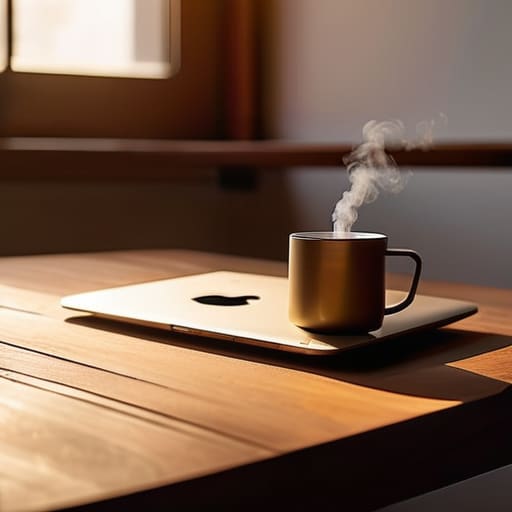
At the end of the day, reclaiming your sanity isn’t about some massive, life-altering overhaul; it’s about the small, intentional boundaries we set for ourselves. Whether it’s finally putting that phone in a different room to avoid the endless scroll or physically marking the end of your shift by closing your laptop, these habits are what keep the burnout at bay. We’ve talked about the importance of a digital detox and the necessity of creating a mental firewall between your professional duties and your personal peace. It sounds simple on paper, but it’s the consistent practice of these little rituals that actually makes the difference between just surviving the week and actually living it.
Remember, your worth isn’t measured by how many emails you answer after 6:00 PM or how much “hustle” you can squeeze into your evening. You are more than your productivity, and you deserve to exist in spaces where work isn’t even a whisper in the background. So, tonight, when the clock hits that magic number, give yourself permission to fully disappear from the grind. Step into your home, breathe in the quiet, and remember that the most important work you will ever do is tending to your own soul.
Frequently Asked Questions
How do I stop my brain from looping through work problems when I'm actually trying to relax?
The “mental loop” is the absolute worst. When your brain starts replaying that awkward email or that looming deadline, you have to physically interrupt the circuit. I’ve found that a “brain dump” works wonders—grab a notebook, scribble down every single work anxiety, and tell yourself, “It’s safe on the paper; I’ll deal with it tomorrow.” Once it’s out of your head, pick something sensory to ground you, like a heavy workout or even just cooking something loud and fragrant.
Is it actually possible to "unplug" if my job requires me to be on call or responsive to messages?
Look, I get it. The “just turn it off” advice feels insulting when your livelihood depends on a notification ping. If you’re on call, you can’t disappear, but you can change how you react. It’s about setting boundaries within the chaos. Define your “emergency” criteria clearly so you aren’t jumping every time a non-urgent Slack pops up. You aren’t unplugging from the world; you’re just learning to filter the noise so it doesn’t bleed into your soul.
What can I do if my way of unwinding (like scrolling social media) actually makes me feel more burnt out?
Look, we’ve all been there—doomscrolling for two hours only to end up feeling more wired and exhausted than when we started. It’s a trap. If your “relaxing” feels like a chore, it’s because your brain is still processing information instead of actually resting. Swap the screen for something tactile. Read a physical book, cook a meal without a podcast running, or just sit outside. Give your dopamine receptors a break.

