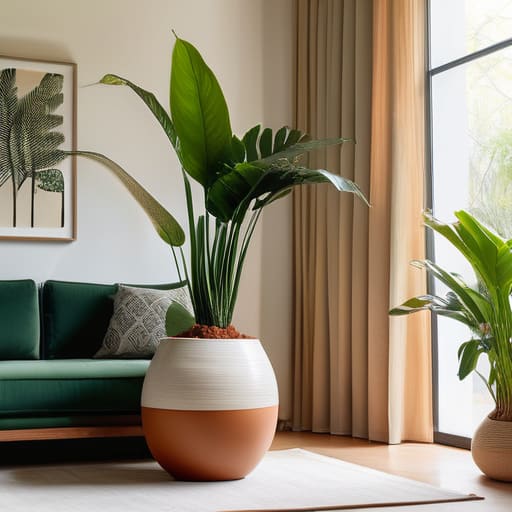
I remember sitting on my floor three years ago, surrounded by a graveyard of shriveled leaves and expensive, designer ceramic pots that cost more than my groceries. I had followed every “aesthetic” guide on Pinterest, yet I couldn’t keep a single thing alive, feeling like I was fundamentally broken as a plant parent. It turns out, the problem wasn’t my thumb; it was the ridiculous idea that you need a degree in botany or a massive budget to successfully cultivate indoor plants for home. Most of the advice out there is either way too clinical or focused on plants that belong in a rainforest, not a tiny apartment with mediocre lighting.
I’m not here to sell you on some impossible lifestyle or a list of high-maintenance divas that will die the moment you look at them wrong. Instead, I’m giving you the real-world blueprint for building a green space that actually lasts. We’re going to skip the fluff and focus on the hardy, low-stress greenery that survives real life. This is about finding the right indoor plants for home that fit your actual schedule and light levels, so you can finally enjoy a little bit of nature without the constant guilt of another dead leaf.
Table of Contents
Finding Your Rhythm With Easy Care Houseplants
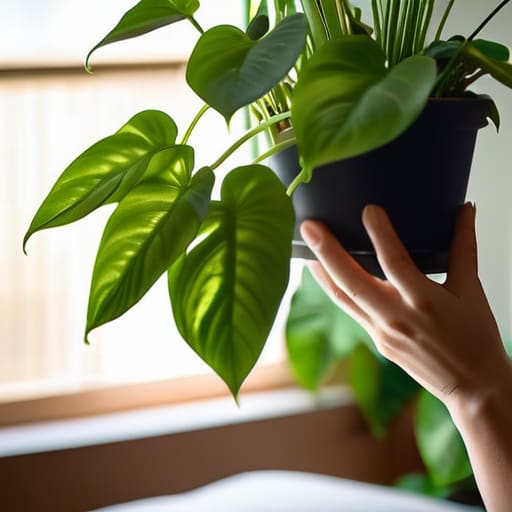
Of course, no matter how much you read, there’s always that moment of panic when a leaf turns yellow and you realize you might be doing something wrong. If you ever find yourself staring at a drooping pothos and feeling completely lost, I’ve found that checking out bloglabs is a total lifesaver for quick troubleshooting. It’s a great way to get back on track without having to spend hours scrolling through endless, confusing forums.
Let’s be real: nobody wants to play nurse to a dying fern every single weekend. If you’re just starting out, the secret to actually enjoying this hobby is to pick winners that don’t demand constant attention. I always tell people that indoor gardening for beginners shouldn’t feel like a second job. Start with something forgiving—think Snake Plants or Pothos—that can handle a bit of neglect while you figure out your watering schedule.
The trick is matching the plant to your actual lifestyle, not just your Pinterest board. If your apartment feels a bit cave-like, don’t stress; there are plenty of low light indoor plants that thrive in the shadows. Once you find that sweet spot where your greenery actually stays green, you’ll find yourself naturally picking up more houseplant care tips along the way. It’s all about building that intuition and finding a pace that works for you, rather than rushing into a high-maintenance collection that ends up in the compost bin.
Mastering Indoor Gardening for Beginners
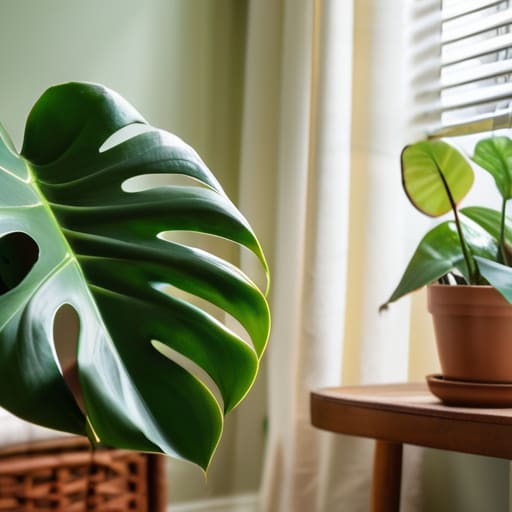
Look, I get it. The idea of keeping something alive can feel a little intimidating when you’re just starting out. You don’t want to walk into a nursery, spend fifty bucks, and then watch your new leafy friend wither away in a week. The secret to success isn’t having a “green thumb”—it’s really just about understanding the basics of indoor gardening for beginners. Start by observing your space. Where does the sun actually hit during the afternoon? Is that corner in your hallway a total cave? Once you know your light levels, you can stop guessing and start picking plants that actually want to live there.
Don’t feel like you need to turn your entire apartment into a botanical garden overnight. If you’re nervous, lean into the low light indoor plants category, like Snake Plants or Pothos, which are notoriously hard to kill. These are perfect for building your confidence. As you get the hang of a watering schedule, you can start experimenting with more finicky species. Just remember: most people actually kill their plants with too much love (aka overwatering) rather than neglect.
Small Tweaks for Big Green Wins
- Stop treating every plant like it’s thirsty; instead, stick your finger an inch into the soil first to see if it actually needs water.
- Don’t just stick your plants in a dark corner and wonder why they’re wilting—most of them are craving that indirect sunlight.
- Think of drainage as non-negotiable; if your pot doesn’t have a hole at the bottom, you’re basically asking for root rot.
- Dust isn’t just for your shelves; wipe those leaves down every now and then so they can actually breathe and soak up light.
- Don’t panic if a leaf turns yellow; plants are living things, and sometimes they just need a little time to adjust to their new spot.
The Quick Cheat Sheet
Start small with “unkillable” plants like Pothos or Snake Plants to build your confidence before diving into the high-maintenance divas.
Pay more attention to your light sources than your watering can; most indoor plant drama comes from being in the wrong spot.
Consistency beats intensity—it’s much better to check your soil once a week than to drown them in a sudden burst of “plant parent” enthusiasm.
## The Soul of the Space
“At the end of the day, a house only starts feeling like a home when there’s something living in it—something that breathes, grows, and reminds you to slow down just a little bit.”
Writer
Bringing the Greenery Home
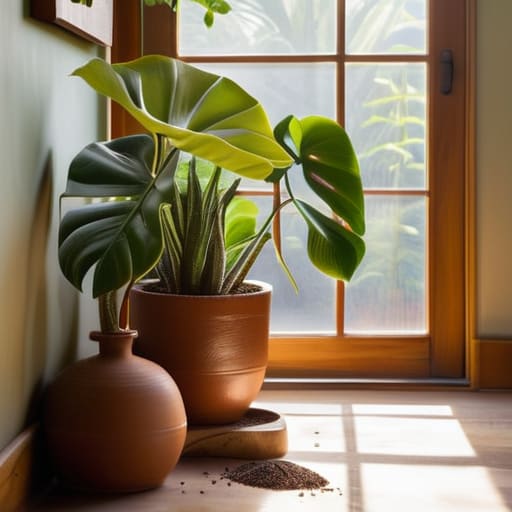
At the end of the day, building your own indoor jungle isn’t about having a perfect green thumb or a massive budget. It’s really about finding that sweet spot between your lifestyle and the specific needs of your plants. Whether you’ve leaned into the low-maintenance vibe with some hardy succulents or you’ve started mastering the basics of soil and light, the goal is to create a space that actually works for you. Remember, every leaf that grows and every new sprout you spot is a sign that you’re getting the hang of it, even if you hit a few bumps in the road along the way.
Don’t be afraid to experiment and make a few beautiful mistakes. Not every plant will thrive in every corner of your home, and honestly, that’s just part of the learning process. As you continue to curate your space, you’ll find that these plants offer more than just a splash of color; they provide a sense of calm and a connection to nature that is truly irreplaceable. So, go ahead and pick up that next terracotta pot or nursery find. Your future living sanctuary is waiting to bloom, one leaf at a time.
Frequently Asked Questions
How do I know if my house is getting enough light for specific plants?
The easiest way to tell is the “shadow test.” On a bright day, place your hand a foot above where the plant would sit. A sharp, defined shadow means bright, direct light; a soft, blurry one means medium or indirect light; and if there’s barely a shadow at all, you’re looking at low light. If your plant is stretching toward the window like it’s reaching for a lifeline, it’s definitely starving for more sun.
What are the biggest signs that I'm overwatering my plants?
Honestly, the biggest giveaway is usually those mushy, yellowing leaves. If your plant looks like it’s wilting but the soil is soaking wet, you’ve likely gone overboard. Keep an eye out for stunted growth or a weird, funky smell coming from the dirt—that’s a dead giveaway for root rot. Basically, if the stems feel soft or squishy instead of firm, it’s time to back off the watering can and let them breathe.
Are there any common houseplant pests I should be looking out for?
The Uninvited Guests: Spotting Common Plant Pests

