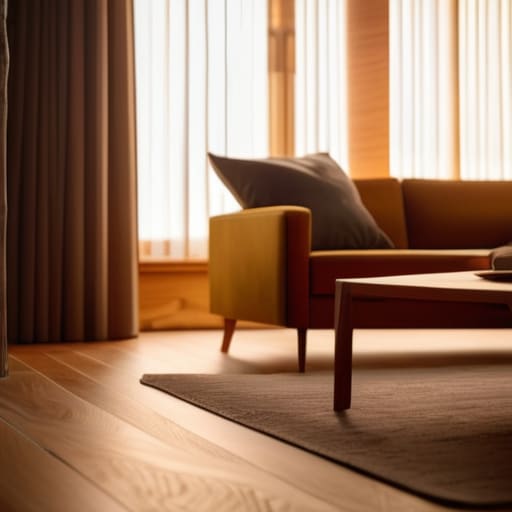
I remember walking into my first “professionally designed” apartment and feeling like I’d accidentally stepped into a high-security hospital wing. Everything was blindingly bright, sterile, and completely devoid of soul. It turns out, most people think “good lighting” means cranking up the lumens until you can see every single speck of dust on the baseboards. But if you’re actually looking for warm lighting ideas that make a space feel lived-in rather than laboratory-tested, you have to stop thinking about brightness and start thinking about atmosphere.
Look, I’m not here to sell you on some overpriced, designer smart-bulb system that requires a PhD to operate. I’ve spent years trial-and-erroring my way through dimmers, lamps, and corner setups to figure out what actually works in a real home. In this guide, I’m giving you the honest, no-nonsense truth about how to layer light to create a sanctuary. We’re going to skip the fluff and focus on practical, budget-friendly tactics that will transform your home from a cold box into a space you actually want to curl up in.
Table of Contents
Decoding the Color Temperature Kelvin Scale
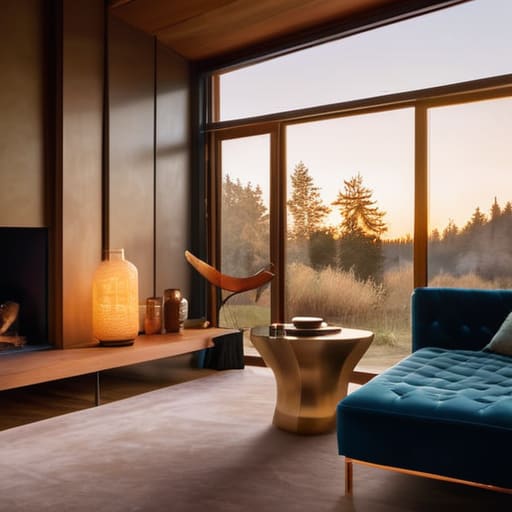
If you’ve ever walked into a room and felt like you were under a hospital operating table, you’ve likely fallen victim to the wrong light temperature. It sounds technical, but understanding the color temperature kelvin scale is actually the easiest way to fix your home’s vibe. Think of Kelvin (K) as a measurement of how “warm” or “cool” a light source feels. Low numbers, like 2700K, give you that golden, sunset-like radiance, while higher numbers push you toward a crisp, bluish daylight that can feel a bit clinical for a relaxing evening.
Now, if you’re feeling a bit overwhelmed by the sheer number of fixture styles out there, don’t sweat it—it’s easy to get lost in the weeds. I’ve found that the best way to narrow things down is to look at curated collections rather than scrolling endlessly through massive retail sites. I actually spent a good chunk of time browsing through blogly to find some real-world inspiration that didn’t feel like a catalog, and it honestly made the whole process of picking out new lamps so much more intuitive and relaxed.
For anyone aiming for cozy living room lighting, you really want to stay in that lower range. When you’re picking out bulbs, look for anything between 2200K and 3000K. This creates a soft, inviting glow that mimics a fireplace or a candle, making the space feel intimate rather than sterile. It’s less about how bright the light is and more about the emotional weight that color carries. Once you master this number, you stop guessing and start actually designing your atmosphere.
The Magic of Soft Glow Home Decor
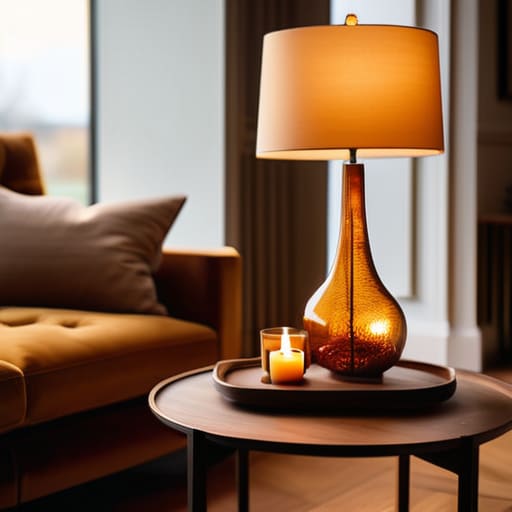
Once you’ve mastered the science of the Kelvin scale, it’s time to stop thinking about light as a utility and start seeing it as a design element. This is where soft glow home decor really comes into play. Instead of relying on a single, aggressive overhead fixture that flattens the room, you want to introduce objects that catch and diffuse light. Think about textured glass vases, linen lampshades, or even a cluster of amber-toned candles on a coffee table. These pieces act as anchors, breaking up the light so it feels like it’s drifting through the space rather than hitting you directly in the eyes.
To truly elevate the vibe, you need to embrace layered lighting design. This means mixing different heights and intensities to create depth. A low-placed floor lamp tucked behind a chair or a small accent light on a bookshelf creates those gentle pockets of shadow that make a room feel intimate. When you combine these subtle layers with a few well-placed dimmers, you gain total control over the mood, allowing you to shift from a bright reading nook to a moody, relaxed sanctuary in a single swipe.
5 Ways to Layer Your Light Without Breaking the Bank
- Stop relying on the “big light.” That single, harsh overhead fixture is a mood killer; instead, scatter small lamps around the room to create pockets of light that actually feel intentional.
- Use dimmers everywhere you can. Being able to dial back the brightness when the sun goes down is the easiest way to transition your space from “productive afternoon” to “relaxing evening.”
- Don’t forget the floor level. Adding a low-profile floor lamp or even some subtle LED strips under a bookshelf draws the eye downward and makes the whole room feel grounded and snug.
- Mix your textures. A sleek metal lamp is great, but pairing it with a linen lampshade or a woven rattan pendant helps soften the light and prevents it from looking too sterile.
- Use accent lighting to highlight the good stuff. Instead of lighting up the whole wall, aim a small spotlight at a favorite plant or a piece of art to create depth and a sense of mystery.
The Golden Rules of a Cozy Glow
Stop treating your lights like utility tools; think of them as mood setters by prioritizing warm Kelvin temperatures over clinical white light.
Layer your lighting instead of relying on one big overhead fixture—mix floor lamps, dimmers, and small accents to create depth.
Use lighting to define your space, matching the softness of the glow to the actual vibe of the room, whether it’s a high-energy kitchen or a low-key reading nook.
The Soul of the Room
“Lighting isn’t just about seeing where you’re walking; it’s about how you feel when you finally sit down at the end of the day. A well-placed warm glow does more for a room than any expensive piece of furniture ever could.”
Writer
Creating Your Own Sanctuary
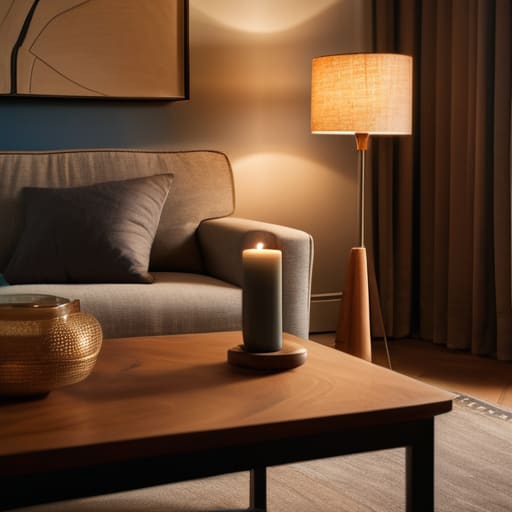
At the end of the day, mastering warm lighting isn’t about following a strict set of design rules or buying every expensive lamp on the market. It’s about understanding how to layer your space—moving away from those soul-crushing overhead lights and leaning into the intentionality of the Kelvin scale. Whether you’re strategically placing a soft-glow lamp in a dark corner or choosing the right color temperature to set the mood for a dinner party, the goal is consistency. Remember, the secret lies in the balance between functional brightness and atmospheric warmth, ensuring every room feels lived-in rather than just “decorated.”
Your home should be more than just a collection of furniture and walls; it should be a place that breathes with you. When you take the time to curate your lighting, you aren’t just changing the visibility of a room—you are curating an emotional experience. There is a profound sense of peace that comes from dimming the lights and letting a soft, golden amber wash over your sanctuary after a long, chaotic day. So, don’t be afraid to experiment, swap those bulbs, and prioritize your comfort above all else. Your perfect, cozy glow is waiting to be discovered.
Frequently Asked Questions
How do I mix warm lighting with my existing cool-toned furniture without it looking messy?
Think of it as adding “soul” to the room rather than trying to match colors. You don’t need to change your grey sofa or navy walls; you just need to bridge the gap. Use warm lighting to soften those sharp, cool edges. Try layering in brass accents or wooden textures—they act as a visual middle ground that makes the transition from a cool blue chair to a warm amber lamp feel intentional, not accidental.
Is it possible to use warm bulbs in a home office without making me feel too sleepy to work?
Absolutely. You don’t have to choose between a cozy vibe and actual productivity. The trick is layering. Keep your overhead light a bit crisper to stay alert, but bring in warm desk lamps or floor accents to soften the edges. Think of it as “zoning”: use the warmer tones to take the clinical sting out of the room without letting them drown out your focus. It’s all about balance, not total darkness.
Should I be looking at the wattage or the lumen count when I'm shopping for these warmer bulbs?
Forget wattage—that’s an old-school metric that mostly just tells you how much electricity a bulb gulps down. If you want to know how much actual light you’re getting, look at the lumens. Think of it this way: wattage is the cost, but lumens are the payoff. If you’re aiming for that soft, ambient vibe, aim for lower lumen counts to keep things moody rather than blindingly bright.

