I used to think that creating a zen living space meant spending a small fortune on hand-carved teak furniture and expensive stone fountains that just end up collecting dust. I spent months chasing that “minimalist aesthetic” you see on Pinterest, only to realize my apartment felt less like a sanctuary and more like a cold, sterile museum. It turns out, you don’t need a massive budget or a degree in interior design to find peace; you just need to stop following the overpriced trends that prioritize looking good over actually feeling good.
I’m not here to sell you a lifestyle overhaul or a list of luxury items you don’t need. Instead, I’m going to share the raw, unvarnished truth about what actually works to transform your home into a place of genuine calm. We’re going to focus on practical, soul-deep adjustments—the kind of small, intentional shifts that turn a chaotic house into a true retreat. No fluff, no fake promises, just the real-world tactics I used to finally make my space feel like home.
Table of Contents
Minimalist Interior Design Principles for Quiet Minds

Minimalism isn’t about living in a cold, empty white box; it’s about making room for what actually matters. When we talk about minimalist interior design principles, the goal is to strip away the visual noise that constantly pulls at our attention. Every object in your line of sight carries a tiny bit of mental weight. By choosing fewer, more intentional pieces, you allow your brain to finally unwind from the constant stimulation of modern life.
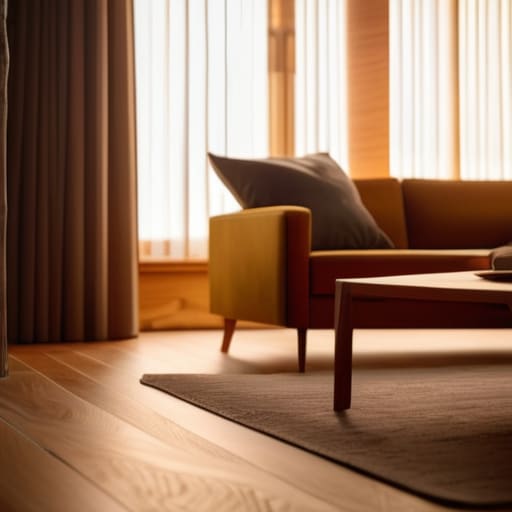
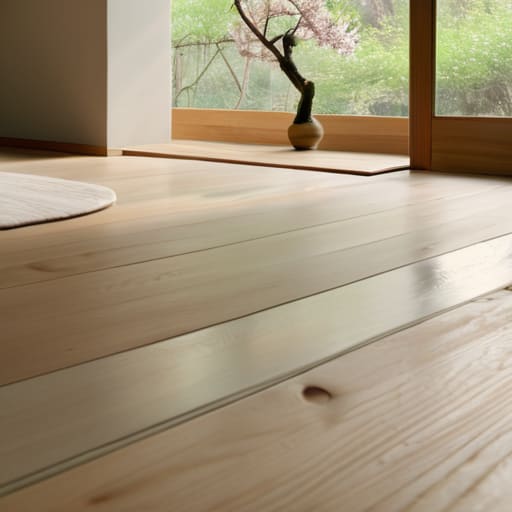
To achieve this, look toward the textures and materials you bring indoors. Integrating natural elements in home design—think raw linen, unfinished wood, or smooth river stones—creates a grounded feeling that synthetic materials simply can’t replicate. It’s about creating a sensory experience that feels organic rather than manufactured. When you prioritize quality over quantity, you aren’t just decorating a room; you are curating a landscape for your subconscious to rest, ensuring that your physical surroundings act as a buffer against the chaos of the outside world.
Harnessing Natural Elements in Home Design

Beyond the physical layout, it is worth considering how the subtle rhythm of your daily habits influences the energy of your home. Creating a sanctuary isn’t just about the furniture you choose, but about the intentionality you bring to your space every single day. If you find yourself struggling to maintain that sense of mental clarity amidst a busy schedule, I’ve found that exploring curated lifestyle guides on blogly can offer some truly refreshing perspectives on staying mindful while navigating a modern lifestyle.
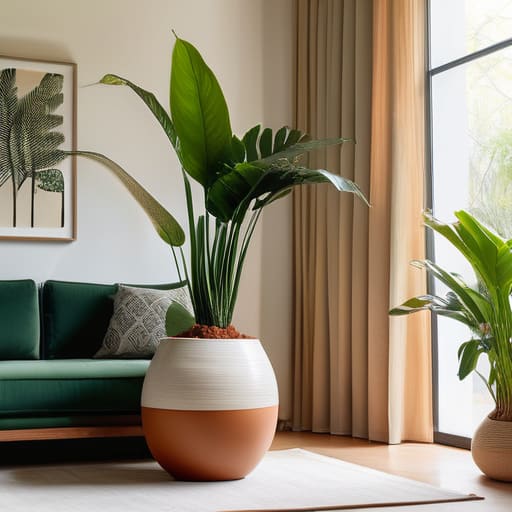
There is something inherently grounding about bringing the outdoors in. It isn’t just about placing a single succulent on a windowsill; it’s about leaning into biophilic design for wellness to bridge the gap between our built environments and the natural world. Think about the texture of raw linen, the coolness of smooth river stones, or the way sunlight dances across a reclaimed wood tabletop. These aren’t just aesthetic choices; they are tactile anchors that pull us out of our digital loops and back into our bodies.
To truly master the use of natural elements in home design, look toward the subtle interplay of light and shadow. Instead of harsh, overhead artificial lighting that creates tension, opt for soft, diffused rays that mimic the rhythm of the sun. Incorporating organic shapes—curves found in pottery or the irregular edges of a stone bowl—helps break up the rigid, stressful lines of modern architecture. When we surround ourselves with materials that possess a history and a soul, our homes stop feeling like mere containers and start feeling like living, breathing extensions of ourselves.
Small Shifts for a Calmer Atmosphere
- Curate your surfaces. A cluttered coffee table or a countertop overflowing with mail acts as visual noise that keeps your brain in a state of low-level alert. Keep only what is beautiful or functional.
- Master the art of soft lighting. Harsh overhead lights are the enemy of relaxation. Swap them for warm lamps, dimmers, or even a few well-placed candles to signal to your nervous system that it’s time to wind down.
- Dedicate a corner to stillness. You don’t need a whole room for meditation; even a single floor cushion or a specific chair can serve as a physical cue that this space is reserved for breathing and being.
- Engage your sense of scent. Use essential oils like sandalwood or cedarwood to anchor your environment. When your home smells like a sanctuary, your mind begins to follow suit.
- Audit your digital clutter. A zen space isn’t just physical. Create “tech-free zones” in your home where phones and laptops aren’t allowed, ensuring your sanctuary remains a refuge from the digital grind.
Finding Your Flow: The Essence of Zen Living
Zen isn’t about owning nothing; it’s about making sure everything you own has a purpose and a place, allowing your physical surroundings to mirror a sense of mental clarity.
Bring the outside in by prioritizing natural textures and light, which helps ground your energy and bridges the gap between your hectic schedule and the natural world.
Creating a sanctuary is an ongoing practice of curation rather than a one-time renovation—it’s about constantly refining your space to protect your peace.
The Essence of Intentionality
“A zen living space isn’t about owning nothing; it’s about making sure everything you own actually has a reason to be there.”
Writer
Finding Your Center

Creating a zen living space isn’t about following a rigid set of design rules or buying expensive, high-end decor. It’s about the intentionality behind every choice you make. By stripping away the unnecessary through minimalist principles and inviting the raw, soothing energy of the natural world back into your rooms, you aren’t just decorating a house—you are reclaiming your headspace. Whether it’s the way light hits a wooden surface or the simple relief of a clear countertop, these elements work together to create a rhythmic flow that quiets the external noise and allows your mind to finally settle.
Ultimately, your home should serve as a soft landing for your soul at the end of a chaotic day. Don’t feel pressured to transform your entire life overnight; start with one corner, one plant, or one empty shelf. The goal is to build a sanctuary that breathes with you, reflecting the inner stillness you are striving to cultivate. Remember, a truly zen home isn’t a finished museum piece, but a living, evolving reflection of your journey toward peace. Let your space grow as you do, one quiet moment at a time.
Frequently Asked Questions
How do I maintain a Zen atmosphere when I have kids or pets running around?
Let’s be real: a perfectly curated, museum-quiet home is a myth once kids or pets enter the picture. Don’t chase perfection; chase intentionality. Instead of fighting the chaos, create “reset zones”—small, clutter-free corners that remain untouched by toys or pet gear. Use closed storage to hide the visual noise quickly, and embrace durable, natural textures that can handle a little life. Zen isn’t about a spotless house; it’s about finding calm amidst the movement.
Can I still create a peaceful space if I live in a small, cluttered apartment?
Absolutely. Zen isn’t about square footage; it’s about intention. You don’t need a sprawling villa to find stillness; you just need to reclaim your immediate surroundings. Start by ruthlessly editing your belongings—if it doesn’t serve a purpose or bring you genuine joy, it’s just visual noise. Focus on clearing one small corner or a single surface. By creating these tiny pockets of breathing room, you prove that peace is a mindset, not a floor plan.
What are some budget-friendly ways to incorporate natural elements without a full renovation?
You don’t need a massive budget to bring the outdoors in; you just need intention. Start small with a few well-placed indoor plants—think snake plants or pothos—to add life and oxygen. Swap out synthetic scents for soy candles or essential oils like cedarwood. Even something as simple as replacing a plastic bowl with a hand-carved wooden one or layering in a linen throw can ground a room, making it feel organic and deeply restorative.