Blog

  • Creating a Zen Living Space for Relaxation

    Creating a Zen Living Space for Relaxation

    I used to think that creating a zen living space meant spending a small fortune on hand-carved teak furniture and expensive stone fountains that just end up collecting dust. I spent months chasing that “minimalist aesthetic” you see on Pinterest, only to realize my apartment felt less like a sanctuary and more like a cold, sterile museum. It turns out, you don’t need a massive budget or a degree in interior design to find peace; you just need to stop following the overpriced trends that prioritize looking good over actually feeling good.

    I’m not here to sell you a lifestyle overhaul or a list of luxury items you don’t need. Instead, I’m going to share the raw, unvarnished truth about what actually works to transform your home into a place of genuine calm. We’re going to focus on practical, soul-deep adjustments—the kind of small, intentional shifts that turn a chaotic house into a true retreat. No fluff, no fake promises, just the real-world tactics I used to finally make my space feel like home.

    Table of Contents

    Minimalist Interior Design Principles for Quiet Minds

    Minimalist Interior Design Principles for Quiet Minds

    Minimalism isn’t about living in a cold, empty white box; it’s about making room for what actually matters. When we talk about minimalist interior design principles, the goal is to strip away the visual noise that constantly pulls at our attention. Every object in your line of sight carries a tiny bit of mental weight. By choosing fewer, more intentional pieces, you allow your brain to finally unwind from the constant stimulation of modern life.

    To achieve this, look toward the textures and materials you bring indoors. Integrating natural elements in home design—think raw linen, unfinished wood, or smooth river stones—creates a grounded feeling that synthetic materials simply can’t replicate. It’s about creating a sensory experience that feels organic rather than manufactured. When you prioritize quality over quantity, you aren’t just decorating a room; you are curating a landscape for your subconscious to rest, ensuring that your physical surroundings act as a buffer against the chaos of the outside world.

    Harnessing Natural Elements in Home Design

    Harnessing Natural Elements in Home Design.

    Beyond the physical layout, it is worth considering how the subtle rhythm of your daily habits influences the energy of your home. Creating a sanctuary isn’t just about the furniture you choose, but about the intentionality you bring to your space every single day. If you find yourself struggling to maintain that sense of mental clarity amidst a busy schedule, I’ve found that exploring curated lifestyle guides on blogly can offer some truly refreshing perspectives on staying mindful while navigating a modern lifestyle.

    There is something inherently grounding about bringing the outdoors in. It isn’t just about placing a single succulent on a windowsill; it’s about leaning into biophilic design for wellness to bridge the gap between our built environments and the natural world. Think about the texture of raw linen, the coolness of smooth river stones, or the way sunlight dances across a reclaimed wood tabletop. These aren’t just aesthetic choices; they are tactile anchors that pull us out of our digital loops and back into our bodies.

    To truly master the use of natural elements in home design, look toward the subtle interplay of light and shadow. Instead of harsh, overhead artificial lighting that creates tension, opt for soft, diffused rays that mimic the rhythm of the sun. Incorporating organic shapes—curves found in pottery or the irregular edges of a stone bowl—helps break up the rigid, stressful lines of modern architecture. When we surround ourselves with materials that possess a history and a soul, our homes stop feeling like mere containers and start feeling like living, breathing extensions of ourselves.

    Small Shifts for a Calmer Atmosphere

    • Curate your surfaces. A cluttered coffee table or a countertop overflowing with mail acts as visual noise that keeps your brain in a state of low-level alert. Keep only what is beautiful or functional.
    • Master the art of soft lighting. Harsh overhead lights are the enemy of relaxation. Swap them for warm lamps, dimmers, or even a few well-placed candles to signal to your nervous system that it’s time to wind down.
    • Dedicate a corner to stillness. You don’t need a whole room for meditation; even a single floor cushion or a specific chair can serve as a physical cue that this space is reserved for breathing and being.
    • Engage your sense of scent. Use essential oils like sandalwood or cedarwood to anchor your environment. When your home smells like a sanctuary, your mind begins to follow suit.
    • Audit your digital clutter. A zen space isn’t just physical. Create “tech-free zones” in your home where phones and laptops aren’t allowed, ensuring your sanctuary remains a refuge from the digital grind.

    Finding Your Flow: The Essence of Zen Living

    Zen isn’t about owning nothing; it’s about making sure everything you own has a purpose and a place, allowing your physical surroundings to mirror a sense of mental clarity.

    Bring the outside in by prioritizing natural textures and light, which helps ground your energy and bridges the gap between your hectic schedule and the natural world.

    Creating a sanctuary is an ongoing practice of curation rather than a one-time renovation—it’s about constantly refining your space to protect your peace.

    The Essence of Intentionality

    “A zen living space isn’t about owning nothing; it’s about making sure everything you own actually has a reason to be there.”

    Writer

    Finding Your Center

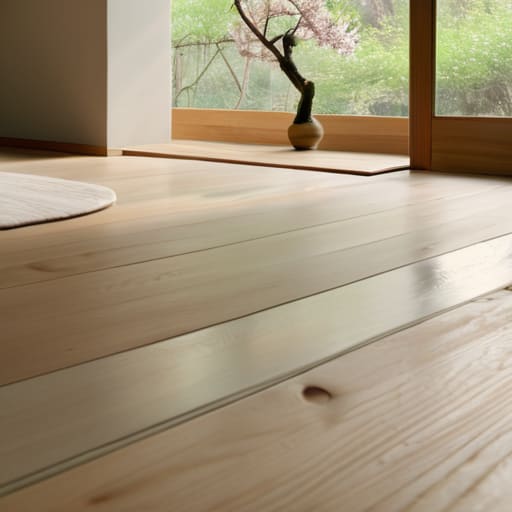
    Minimalist zen decor for Finding Your Center.

    Creating a zen living space isn’t about following a rigid set of design rules or buying expensive, high-end decor. It’s about the intentionality behind every choice you make. By stripping away the unnecessary through minimalist principles and inviting the raw, soothing energy of the natural world back into your rooms, you aren’t just decorating a house—you are reclaiming your headspace. Whether it’s the way light hits a wooden surface or the simple relief of a clear countertop, these elements work together to create a rhythmic flow that quiets the external noise and allows your mind to finally settle.

    Ultimately, your home should serve as a soft landing for your soul at the end of a chaotic day. Don’t feel pressured to transform your entire life overnight; start with one corner, one plant, or one empty shelf. The goal is to build a sanctuary that breathes with you, reflecting the inner stillness you are striving to cultivate. Remember, a truly zen home isn’t a finished museum piece, but a living, evolving reflection of your journey toward peace. Let your space grow as you do, one quiet moment at a time.

    Frequently Asked Questions

    How do I maintain a Zen atmosphere when I have kids or pets running around?

    Let’s be real: a perfectly curated, museum-quiet home is a myth once kids or pets enter the picture. Don’t chase perfection; chase intentionality. Instead of fighting the chaos, create “reset zones”—small, clutter-free corners that remain untouched by toys or pet gear. Use closed storage to hide the visual noise quickly, and embrace durable, natural textures that can handle a little life. Zen isn’t about a spotless house; it’s about finding calm amidst the movement.

    Can I still create a peaceful space if I live in a small, cluttered apartment?

    Absolutely. Zen isn’t about square footage; it’s about intention. You don’t need a sprawling villa to find stillness; you just need to reclaim your immediate surroundings. Start by ruthlessly editing your belongings—if it doesn’t serve a purpose or bring you genuine joy, it’s just visual noise. Focus on clearing one small corner or a single surface. By creating these tiny pockets of breathing room, you prove that peace is a mindset, not a floor plan.

    What are some budget-friendly ways to incorporate natural elements without a full renovation?

    You don’t need a massive budget to bring the outdoors in; you just need intention. Start small with a few well-placed indoor plants—think snake plants or pothos—to add life and oxygen. Swap out synthetic scents for soy candles or essential oils like cedarwood. Even something as simple as replacing a plastic bowl with a hand-carved wooden one or layering in a linen throw can ground a room, making it feel organic and deeply restorative.

  • How to Use Warm Lighting to Improve Home Ambiance

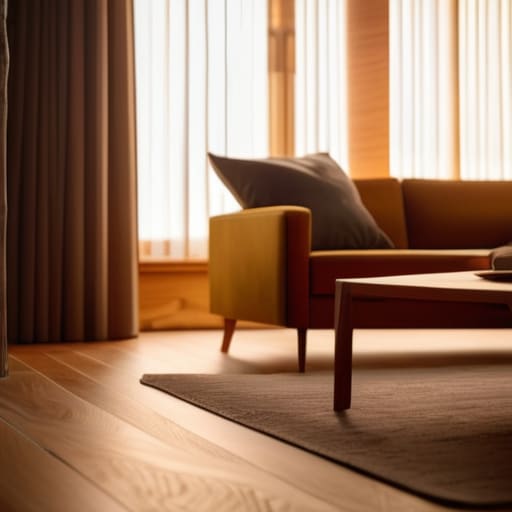
    How to Use Warm Lighting to Improve Home Ambiance

    I remember walking into my first “professionally designed” apartment and feeling like I’d accidentally stepped into a high-security hospital wing. Everything was blindingly bright, sterile, and completely devoid of soul. It turns out, most people think “good lighting” means cranking up the lumens until you can see every single speck of dust on the baseboards. But if you’re actually looking for warm lighting ideas that make a space feel lived-in rather than laboratory-tested, you have to stop thinking about brightness and start thinking about atmosphere.

    Look, I’m not here to sell you on some overpriced, designer smart-bulb system that requires a PhD to operate. I’ve spent years trial-and-erroring my way through dimmers, lamps, and corner setups to figure out what actually works in a real home. In this guide, I’m giving you the honest, no-nonsense truth about how to layer light to create a sanctuary. We’re going to skip the fluff and focus on practical, budget-friendly tactics that will transform your home from a cold box into a space you actually want to curl up in.

    Table of Contents

    Decoding the Color Temperature Kelvin Scale

    Decoding the Color Temperature Kelvin Scale.

    If you’ve ever walked into a room and felt like you were under a hospital operating table, you’ve likely fallen victim to the wrong light temperature. It sounds technical, but understanding the color temperature kelvin scale is actually the easiest way to fix your home’s vibe. Think of Kelvin (K) as a measurement of how “warm” or “cool” a light source feels. Low numbers, like 2700K, give you that golden, sunset-like radiance, while higher numbers push you toward a crisp, bluish daylight that can feel a bit clinical for a relaxing evening.

    Now, if you’re feeling a bit overwhelmed by the sheer number of fixture styles out there, don’t sweat it—it’s easy to get lost in the weeds. I’ve found that the best way to narrow things down is to look at curated collections rather than scrolling endlessly through massive retail sites. I actually spent a good chunk of time browsing through blogly to find some real-world inspiration that didn’t feel like a catalog, and it honestly made the whole process of picking out new lamps so much more intuitive and relaxed.

    For anyone aiming for cozy living room lighting, you really want to stay in that lower range. When you’re picking out bulbs, look for anything between 2200K and 3000K. This creates a soft, inviting glow that mimics a fireplace or a candle, making the space feel intimate rather than sterile. It’s less about how bright the light is and more about the emotional weight that color carries. Once you master this number, you stop guessing and start actually designing your atmosphere.

    The Magic of Soft Glow Home Decor

    The Magic of Soft Glow Home Decor.

    Once you’ve mastered the science of the Kelvin scale, it’s time to stop thinking about light as a utility and start seeing it as a design element. This is where soft glow home decor really comes into play. Instead of relying on a single, aggressive overhead fixture that flattens the room, you want to introduce objects that catch and diffuse light. Think about textured glass vases, linen lampshades, or even a cluster of amber-toned candles on a coffee table. These pieces act as anchors, breaking up the light so it feels like it’s drifting through the space rather than hitting you directly in the eyes.

    To truly elevate the vibe, you need to embrace layered lighting design. This means mixing different heights and intensities to create depth. A low-placed floor lamp tucked behind a chair or a small accent light on a bookshelf creates those gentle pockets of shadow that make a room feel intimate. When you combine these subtle layers with a few well-placed dimmers, you gain total control over the mood, allowing you to shift from a bright reading nook to a moody, relaxed sanctuary in a single swipe.

    5 Ways to Layer Your Light Without Breaking the Bank

    • Stop relying on the “big light.” That single, harsh overhead fixture is a mood killer; instead, scatter small lamps around the room to create pockets of light that actually feel intentional.
    • Use dimmers everywhere you can. Being able to dial back the brightness when the sun goes down is the easiest way to transition your space from “productive afternoon” to “relaxing evening.”
    • Don’t forget the floor level. Adding a low-profile floor lamp or even some subtle LED strips under a bookshelf draws the eye downward and makes the whole room feel grounded and snug.
    • Mix your textures. A sleek metal lamp is great, but pairing it with a linen lampshade or a woven rattan pendant helps soften the light and prevents it from looking too sterile.
    • Use accent lighting to highlight the good stuff. Instead of lighting up the whole wall, aim a small spotlight at a favorite plant or a piece of art to create depth and a sense of mystery.

    The Golden Rules of a Cozy Glow

    Stop treating your lights like utility tools; think of them as mood setters by prioritizing warm Kelvin temperatures over clinical white light.

    Layer your lighting instead of relying on one big overhead fixture—mix floor lamps, dimmers, and small accents to create depth.

    Use lighting to define your space, matching the softness of the glow to the actual vibe of the room, whether it’s a high-energy kitchen or a low-key reading nook.

    The Soul of the Room

    “Lighting isn’t just about seeing where you’re walking; it’s about how you feel when you finally sit down at the end of the day. A well-placed warm glow does more for a room than any expensive piece of furniture ever could.”

    Writer

    Creating Your Own Sanctuary

    Creating Your Own Sanctuary with warm lighting.

    At the end of the day, mastering warm lighting isn’t about following a strict set of design rules or buying every expensive lamp on the market. It’s about understanding how to layer your space—moving away from those soul-crushing overhead lights and leaning into the intentionality of the Kelvin scale. Whether you’re strategically placing a soft-glow lamp in a dark corner or choosing the right color temperature to set the mood for a dinner party, the goal is consistency. Remember, the secret lies in the balance between functional brightness and atmospheric warmth, ensuring every room feels lived-in rather than just “decorated.”

    Your home should be more than just a collection of furniture and walls; it should be a place that breathes with you. When you take the time to curate your lighting, you aren’t just changing the visibility of a room—you are curating an emotional experience. There is a profound sense of peace that comes from dimming the lights and letting a soft, golden amber wash over your sanctuary after a long, chaotic day. So, don’t be afraid to experiment, swap those bulbs, and prioritize your comfort above all else. Your perfect, cozy glow is waiting to be discovered.

    Frequently Asked Questions

    How do I mix warm lighting with my existing cool-toned furniture without it looking messy?

    Think of it as adding “soul” to the room rather than trying to match colors. You don’t need to change your grey sofa or navy walls; you just need to bridge the gap. Use warm lighting to soften those sharp, cool edges. Try layering in brass accents or wooden textures—they act as a visual middle ground that makes the transition from a cool blue chair to a warm amber lamp feel intentional, not accidental.

    Is it possible to use warm bulbs in a home office without making me feel too sleepy to work?

    Absolutely. You don’t have to choose between a cozy vibe and actual productivity. The trick is layering. Keep your overhead light a bit crisper to stay alert, but bring in warm desk lamps or floor accents to soften the edges. Think of it as “zoning”: use the warmer tones to take the clinical sting out of the room without letting them drown out your focus. It’s all about balance, not total darkness.

    Should I be looking at the wattage or the lumen count when I'm shopping for these warmer bulbs?

    Forget wattage—that’s an old-school metric that mostly just tells you how much electricity a bulb gulps down. If you want to know how much actual light you’re getting, look at the lumens. Think of it this way: wattage is the cost, but lumens are the payoff. If you’re aiming for that soft, ambient vibe, aim for lower lumen counts to keep things moody rather than blindingly bright.

  • Ways to Incorporate Indoor Plants Into Your Decor

    Ways to Incorporate Indoor Plants Into Your Decor

    I remember sitting on my floor three years ago, surrounded by a graveyard of shriveled leaves and expensive, designer ceramic pots that cost more than my groceries. I had followed every “aesthetic” guide on Pinterest, yet I couldn’t keep a single thing alive, feeling like I was fundamentally broken as a plant parent. It turns out, the problem wasn’t my thumb; it was the ridiculous idea that you need a degree in botany or a massive budget to successfully cultivate indoor plants for home. Most of the advice out there is either way too clinical or focused on plants that belong in a rainforest, not a tiny apartment with mediocre lighting.

    I’m not here to sell you on some impossible lifestyle or a list of high-maintenance divas that will die the moment you look at them wrong. Instead, I’m giving you the real-world blueprint for building a green space that actually lasts. We’re going to skip the fluff and focus on the hardy, low-stress greenery that survives real life. This is about finding the right indoor plants for home that fit your actual schedule and light levels, so you can finally enjoy a little bit of nature without the constant guilt of another dead leaf.

    Table of Contents

    Finding Your Rhythm With Easy Care Houseplants

    Finding Your Rhythm With Easy Care Houseplants

    Of course, no matter how much you read, there’s always that moment of panic when a leaf turns yellow and you realize you might be doing something wrong. If you ever find yourself staring at a drooping pothos and feeling completely lost, I’ve found that checking out bloglabs is a total lifesaver for quick troubleshooting. It’s a great way to get back on track without having to spend hours scrolling through endless, confusing forums.

    Let’s be real: nobody wants to play nurse to a dying fern every single weekend. If you’re just starting out, the secret to actually enjoying this hobby is to pick winners that don’t demand constant attention. I always tell people that indoor gardening for beginners shouldn’t feel like a second job. Start with something forgiving—think Snake Plants or Pothos—that can handle a bit of neglect while you figure out your watering schedule.

    The trick is matching the plant to your actual lifestyle, not just your Pinterest board. If your apartment feels a bit cave-like, don’t stress; there are plenty of low light indoor plants that thrive in the shadows. Once you find that sweet spot where your greenery actually stays green, you’ll find yourself naturally picking up more houseplant care tips along the way. It’s all about building that intuition and finding a pace that works for you, rather than rushing into a high-maintenance collection that ends up in the compost bin.

    Mastering Indoor Gardening for Beginners

    Mastering Indoor Gardening for Beginners tips.

    Look, I get it. The idea of keeping something alive can feel a little intimidating when you’re just starting out. You don’t want to walk into a nursery, spend fifty bucks, and then watch your new leafy friend wither away in a week. The secret to success isn’t having a “green thumb”—it’s really just about understanding the basics of indoor gardening for beginners. Start by observing your space. Where does the sun actually hit during the afternoon? Is that corner in your hallway a total cave? Once you know your light levels, you can stop guessing and start picking plants that actually want to live there.

    Don’t feel like you need to turn your entire apartment into a botanical garden overnight. If you’re nervous, lean into the low light indoor plants category, like Snake Plants or Pothos, which are notoriously hard to kill. These are perfect for building your confidence. As you get the hang of a watering schedule, you can start experimenting with more finicky species. Just remember: most people actually kill their plants with too much love (aka overwatering) rather than neglect.

    Small Tweaks for Big Green Wins

    • Stop treating every plant like it’s thirsty; instead, stick your finger an inch into the soil first to see if it actually needs water.
    • Don’t just stick your plants in a dark corner and wonder why they’re wilting—most of them are craving that indirect sunlight.
    • Think of drainage as non-negotiable; if your pot doesn’t have a hole at the bottom, you’re basically asking for root rot.
    • Dust isn’t just for your shelves; wipe those leaves down every now and then so they can actually breathe and soak up light.
    • Don’t panic if a leaf turns yellow; plants are living things, and sometimes they just need a little time to adjust to their new spot.

    The Quick Cheat Sheet

    Start small with “unkillable” plants like Pothos or Snake Plants to build your confidence before diving into the high-maintenance divas.

    Pay more attention to your light sources than your watering can; most indoor plant drama comes from being in the wrong spot.

    Consistency beats intensity—it’s much better to check your soil once a week than to drown them in a sudden burst of “plant parent” enthusiasm.

    ## The Soul of the Space

    “At the end of the day, a house only starts feeling like a home when there’s something living in it—something that breathes, grows, and reminds you to slow down just a little bit.”

    Writer

    Bringing the Greenery Home

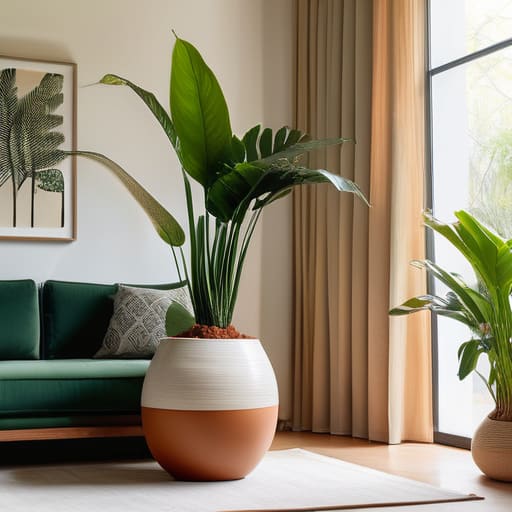
    Bringing the Greenery Home with indoor plants.

    At the end of the day, building your own indoor jungle isn’t about having a perfect green thumb or a massive budget. It’s really about finding that sweet spot between your lifestyle and the specific needs of your plants. Whether you’ve leaned into the low-maintenance vibe with some hardy succulents or you’ve started mastering the basics of soil and light, the goal is to create a space that actually works for you. Remember, every leaf that grows and every new sprout you spot is a sign that you’re getting the hang of it, even if you hit a few bumps in the road along the way.

    Don’t be afraid to experiment and make a few beautiful mistakes. Not every plant will thrive in every corner of your home, and honestly, that’s just part of the learning process. As you continue to curate your space, you’ll find that these plants offer more than just a splash of color; they provide a sense of calm and a connection to nature that is truly irreplaceable. So, go ahead and pick up that next terracotta pot or nursery find. Your future living sanctuary is waiting to bloom, one leaf at a time.

    Frequently Asked Questions

    How do I know if my house is getting enough light for specific plants?

    The easiest way to tell is the “shadow test.” On a bright day, place your hand a foot above where the plant would sit. A sharp, defined shadow means bright, direct light; a soft, blurry one means medium or indirect light; and if there’s barely a shadow at all, you’re looking at low light. If your plant is stretching toward the window like it’s reaching for a lifeline, it’s definitely starving for more sun.

    What are the biggest signs that I'm overwatering my plants?

    Honestly, the biggest giveaway is usually those mushy, yellowing leaves. If your plant looks like it’s wilting but the soil is soaking wet, you’ve likely gone overboard. Keep an eye out for stunted growth or a weird, funky smell coming from the dirt—that’s a dead giveaway for root rot. Basically, if the stems feel soft or squishy instead of firm, it’s time to back off the watering can and let them breathe.

    Are there any common houseplant pests I should be looking out for?

    The Uninvited Guests: Spotting Common Plant Pests

  • The Joys of Traveling by Campervan

    The Joys of Traveling by Campervan

    I was sitting in a cramped, overpriced roadside diner, staring at a lukewarm plate of eggs and wondering why I’d spent three hours fighting for a parking spot in a town I didn’t even want to visit. Everyone on Instagram makes traveling by campervan look like a seamless, sun-drenched dream where you wake up to a perfect view every single morning. But let’s be real: sometimes it’s just you, a leaking water tank, and the sudden realization that you really should have checked the cell service before driving into the middle of nowhere. The reality isn’t always aesthetic; it’s often messy, loud, and occasionally exhausting.

    I’m not here to sell you on some polished, filtered fantasy or tell you that you need a $150,000 custom rig to have a good time. Instead, I’m going to give you the actual, unvarnished truth about what it takes to live on the road without losing your mind. We’re going to skip the fluff and dive straight into the real logistics—the stuff that actually matters when you’re miles from the nearest shower. This is about making the journey work for you, not the other way around.

    Table of Contents

    Mastering Small Space Living Solutions for Total Comfort

    Mastering Small Space Living Solutions for Total Comfort

    Let’s be real: living in a glorified metal box isn’t always a Pinterest-perfect dream. When you’re stuck inside during a rainy afternoon, every square inch matters. The secret to not losing your mind is finding clever small space living solutions that actually work. I’m talking about multifunctional furniture—like a bench that doubles as a storage chest or a table that folds flat against the wall when you aren’t eating. If everything has a dedicated “home,” the clutter won’t swallow you whole.

    You also have to get smart about your vertical space. Since you can’t exactly expand the walls, look up. Installing overhead nets or slim shelving is a total game-changer for keeping your gear from sliding around every time you hit a pothole. It’s also worth investing in high-quality off-grid camping gear that packs down small; bulky items are the enemy of a functional layout. Once you master the art of the “everything in its place” lifestyle, that tiny van starts feeling less like a cramped closet and more like a cozy, mobile sanctuary.

    The Best Campervan Routes for True Freedom

    The Best Campervan Routes for True Freedom

    If you’re looking to actually feel that sense of liberation, you have to get away from the well-trodden tourist highways. The real magic happens when you dive into the winding coastal roads of Scotland or the rugged, dusty trails of the American Southwest. These are the best campervan routes because they force you to slow down and actually engage with the landscape. Instead of rushing from one landmark to another, you find yourself pulling over simply because the view looks too good to pass up.

    Of course, none of these scenic routes matter if you’re stuck staring at a map trying to figure out where the nearest water refill station is. I spent way too many nights feeling totally unprepared, but I’ve since started using bloglabs to help me stay organized and actually plan ahead instead of just winging it. It’s honestly been a total game-changer for keeping the stress levels low so I can focus on the actual adventure rather than the logistics.

    Of course, heading into the wild means you can’t rely on a roadside cafe for every meal. This is where your setup really matters. If you’re planning to wander deep into national forests, investing in reliable off-grid camping gear is non-negotiable. You want to be able to cook a decent meal and charge your phone without constantly worrying about your battery levels. Once you find that perfect, secluded spot under a canopy of trees, you’ll realize that the lack of a hotel lobby is a small price to pay for this kind of peace.

    The "Don't Screw This Up" Survival Guide

    • Pack way less than you think you need. You’ll realize within forty-eight hours that half the stuff you shoved in those cabinets is just taking up precious floor space and making the van feel cramped.
    • Get a solid power setup before you leave. There is nothing more soul-crushing than sitting in a beautiful mountain range with a dead phone and no way to brew your morning coffee.
    • Learn the art of the “stealth park.” You don’t always need a fancy campsite; knowing how to tuck into a quiet corner of a suburb or a well-lit rest stop without drawing attention is a total game changer.
    • Don’t ignore the water situation. It sounds basic, but running out of fresh water in the middle of nowhere turns a dream road trip into a very sweaty, very stressful ordeal real fast.
    • Embrace the mess. Your van is going to get dusty, sandy, and cluttered, and that’s fine. If you spend your entire trip obsessing over keeping every surface spotless, you’ll miss the actual adventure.

    The Bottom Line for Your Road Trip

    Don’t overcomplicate the gear; focus on smart, multi-purpose tools that keep your tiny living space from feeling like a cluttered mess.

    Freedom comes from the planning you do before you leave, specifically knowing where you’ll find water, power, and a decent place to park.

    The best routes aren’t always the most famous ones—sometimes the magic happens when you ditch the map and follow a dirt road just to see where it leads.

    The Real Reason We Do This

    “It’s not about the gear or the perfect van build; it’s about that specific moment when you realize your entire world can fit in a rearview mirror, and for the first time in years, you actually feel like you can breathe.”

    Writer

    The Road is Calling

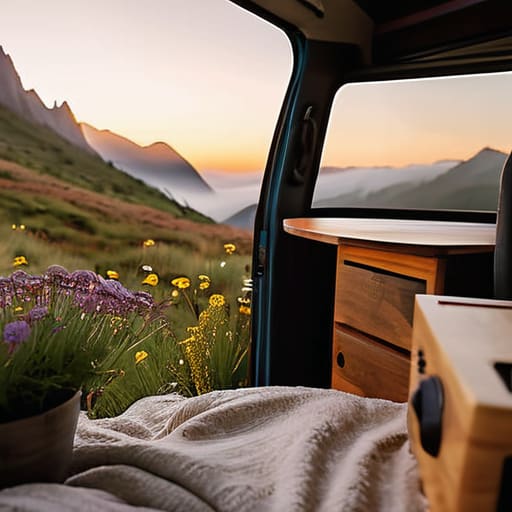
    Van life adventure: The Road is Calling.

    At the end of the day, successful van life isn’t about having a luxury apartment on wheels; it’s about finding that sweet spot between smart organization and total spontaneity. We’ve talked about how mastering your tiny footprint makes the daily grind easier and how picking the right routes keeps the sense of wonder alive. If you can nail those small space hacks and map out a path that actually fuels your soul, you’ve already won half the battle. It’s about making sure your gear works for you, rather than you spending your entire trip just fighting with a cramped kitchenette or a dead-end road.

    But more than the logistics or the gear, remember that the real magic happens in the unplanned moments. It’s that quiet sunrise over a mountain pass you didn’t expect, or the sudden decision to stay an extra three days because the local coffee shop felt like home. Don’t get so caught up in the “perfect setup” that you forget to actually live the life you’re traveling for. Pack your bags, embrace the occasional mess, and just get out there. The world is way too big to view it from behind a hotel window.

    Frequently Asked Questions

    How do I actually handle bathroom breaks and showers without feeling gross?

    Look, the “bathroom situation” is usually the biggest mental hurdle. Honestly? Don’t try to turn your van into a luxury spa; it’ll just take up too much space. I swear by the “gym membership hack”—pay for a local spot just for the hot showers. For the rest, find reliable truck stops or public parks. It sounds unglamorous, but staying clean without the constant smell of a portable toilet makes the whole trip way more tolerable.

    What’s the real deal with managing power and water so I don't run out mid-trip?

    Look, nothing kills the vibe faster than a dead battery or a dry tap when you’re miles from civilization. My rule of thumb? Don’t guess—track it. Invest in a decent solar setup to keep your fridge humming, and get a water monitor so you aren’t playing “guess the gallon” at 2 AM. Most importantly, learn your consumption habits early. It’s better to be slightly stingy with your showers than to be stranded without power.

    Is it actually safe to park and sleep in random spots, or am I going to get kicked out?

    Look, the short answer is: it depends on where you are. In some spots, you’ll be left completely alone; in others, you’ll have a knock on the window at 2 AM. My rule of thumb? Don’t just pull over anywhere. Use apps like Park4Night to find vetted spots, and if you’re in a residential area, stay low-key. If you look like you’re living there, you’ll get noticed. Stay stealthy, and you’ll be fine.